Guides & Health
Plain-English answers to the questions older players actually ask — is it safe, is it good for arthritis, how to pick a paddle — grounded in real injury and activity research, not opinion.
Most pickleball advice online is written for the tournament player chasing spin and power. These guides are for everyone else: the 55-and-over crowd who took the sport up for fun and fitness, and anyone weighing it up around arthritis, a bad knee or a heart they’re sensibly cautious about. The questions are the ones people actually ask before and after they start — is it safe, is it good for my arthritis, will it wreck my knees, and what should I buy?
We answer them plainly, and we back the health claims with real sources — injury studies, CDC activity guidance, the Arthritis Foundation — rather than opinion. Where the honest answer is “it depends,” we say what it depends on. None of it is medical advice; it’s the context to have a better conversation with your own doctor.
Everything in Guides
Pickleball for Seniors: The Complete Guide
Everything a 55+ player needs — the health case, the real injury risks, and the gear that keeps you playing safely and comfortably.
Is Pickleball Safe for Seniors?
What the injury data actually says about players 60+ — the real risks (falls, wrist fractures), and how to lower them.
How to Choose a Pickleball Paddle (for Seniors)
Weight, grip size, core and shape — what each one does to your hands and arm, and how to pick around a joint issue.
Pickleball and Arthritis: Is It Good or Bad?
Whether pickleball helps or hurts arthritic joints, what the research says, and how to set your gear up to protect your hands and knees.
Gifts for Senior Pickleball Players
A cross-category gift guide for the 55+ player — paddles, shoes, braces and gloves that make thoughtful, genuinely useful presents at every budget.
Our top pick
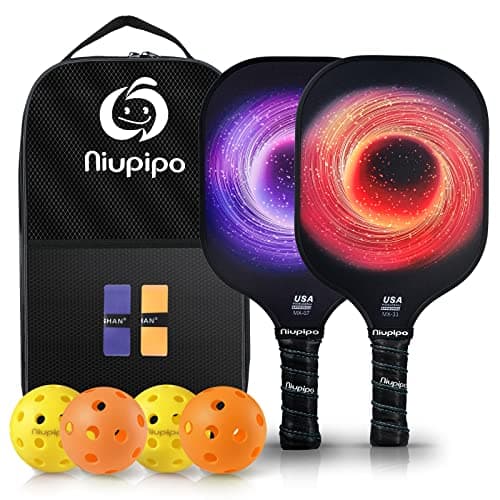
Niupipo Fiberglass Pickleball Paddle
Pickleball and Your Knees: Help or Harm?
Whether pickleball helps or hurts your knees, what the research says, and how the right shoes and a knee brace keep you playing comfortably.
Can You Wear Running Shoes for Pickleball?
Why running shoes are the wrong tool for pickleball, what a court shoe does differently, and how the right pair helps prevent the falls that hurt older players.
Do Braces and Supports Help for Pickleball?
When a knee brace, wrist support or arthritis glove actually helps on the court — and when it doesn't — matched to the kind of pain you have.
Pickleball vs Tennis: Which Is Easier on the Body?
How the two sports compare on joint impact, injury risk and effort for players over 55 — and why so many tennis players are making the switch.
Carbon vs Fiberglass Pickleball Paddles
What the paddle face is actually made of and how it changes the feel, the price and the strain on your arm — and whether carbon is worth it for you.
What Weight Pickleball Paddle Should You Use?
Why paddle weight is the spec that matters most for an older arm, what the weight ranges mean, and why so few brands actually publish a number.
Pickleball Paddle Grip Size (and Why It Matters)
How to find your grip size, why too-small is worse than too-large for arthritic hands, and the cheap fix when a grip isn't quite right.
A Pickleball Warm-Up for Players Over 55
A simple, five-minute warm-up that loosens the joints most likely to complain and lowers the fall and strain risk older players face most.
Tennis Elbow From Pickleball: Fix and Prevent It
Why pickleball flares up tennis elbow, what actually helps it settle, and how to set up your paddle and grip so it doesn't come back.
How to Start Playing Pickleball After 60
A step-by-step first-timer's guide for older beginners — what to buy, how to find a game, and how to play your first weeks without getting hurt.
Pickleball Strategy for Seniors: Win With the Soft Game
How older players beat younger, harder-hitting opponents — dinking, patience and placement that win points while sparing your joints.
What to Wear for Pickleball (Over 55)
A plain-English gear checklist for older players — the shoes, clothing and joint supports that actually matter, and what you can skip.
Pickleball Wrist Pain: Causes and What Helps
Why the wrist is the most-injured joint in senior pickleball, what a sore wrist is telling you, and the gear and technique that ease the load.
Pickleball and Balance: Preventing Falls Over 60
Falls are the biggest injury risk in senior pickleball — here's the data, and the shoes, warm-up and balance work that lower your odds.
Pickleball With Osteoporosis: Is It Safe?
Weight-bearing exercise helps your bones, but a fall is higher-stakes with osteoporosis — how to weigh the benefits and play far more safely.
Pickleball After a Knee Replacement: What to Know
Many people return to low-impact pickleball after a knee replacement, with their surgeon's blessing and a careful build-up. An honest look.
Pickleball and Back Pain: Causes and What Helps
Why the low back complains after pickleball, and the warm-up, core work and technique tweaks that quiet it.
How to Hold a Pickleball Paddle (Without Hurting Your Hands)
The continental grip, the right grip pressure, and the sizing that stops a paddle from aggravating arthritis or tennis elbow.
How to Clean and Care for a Pickleball Paddle
Simple habits that make a paddle last longer and play better — cleaning the face, protecting the edge, and knowing when a core has died.
Is Pickleball Good Exercise for Seniors?
Cardio, strength, balance and a social hit at once — and lower-impact than running or tennis. What pickleball does for an older body, and its limits.
Pickleball Shoes vs Tennis Shoes: Can You Use Tennis Shoes?
Tennis shoes cross over to pickleball far better than running shoes do — but there are real differences. When a tennis shoe is fine and when a pickleball shoe is worth it.
How to Prevent Pickleball Injuries (Over 55)
Most senior pickleball injuries are falls and wrist fractures — and most are preventable. A simple, research-grounded routine to lower your risk and keep playing.
When to Replace a Pickleball Paddle
Paddles wear out quietly — a dead core sends more shock into your arm long before the paddle looks broken. How to tell when it's time, and why it matters over 55.
Are Expensive Pickleball Paddles Worth It?
A $200 paddle isn't automatically better for your game — and definitely not automatically kinder to your arm. What your money actually buys, and when to spend it.
Pickleball Rules Explained Simply (for New Players Over 55)
The five rules that decide almost every point — serve, the two-bounce rule, the kitchen, scoring and faults — in plain English, without the rulebook.
Pickleball and Parkinson's: Is It a Good Fit?
Exercise is one of the few things shown to slow the decline in quality of life with Parkinson's — how pickleball fits the recommended domains, and the fall risk to plan around.
Is Pickleball Good for Weight Loss?
What a match actually burns — measured, not guessed — plus what six weeks of play did to cholesterol and blood pressure in a study of players averaging 65.
Injury-Prevention Gear for Senior Pickleball Players
One pick per category, for the four injuries that actually take players over 55 off the court — shoes for falls, support for a sore knee, eyewear for the ball you didn't see, and a paddle that stops loading your elbow.
Our top pick
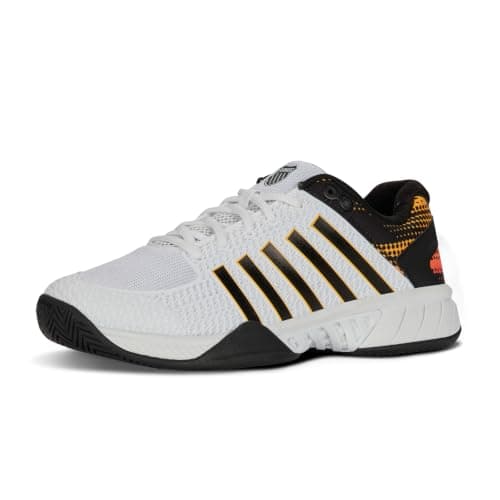
K-Swiss Express Light Pickleball
Is Pickleball Good for Your Brain?
Movement, quick decisions and company in one hour — why the combination is more interesting for an aging brain than the exercise alone, and what the evidence supports.
13mm vs 16mm Pickleball Paddles: Which Core Thickness?
What the core-thickness number actually changes — power, control, sweet spot and how much shock reaches your arm — and which thickness an older player should buy.
Our top pick
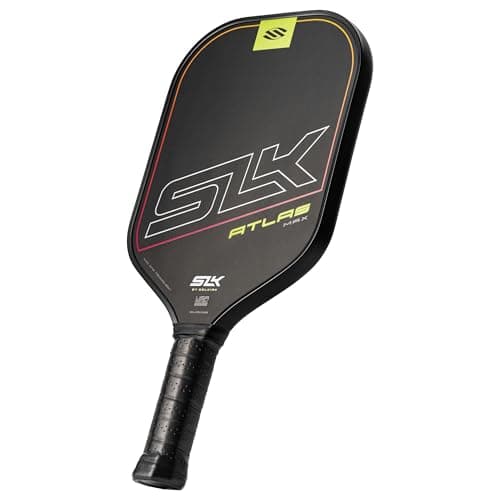
Selkirk SLK Atlas Max
Pickleball Paddle Shapes Explained: Widebody vs Standard vs Elongated
The 24-inch rule that forces every paddle to trade width for length, what each shape does to the sweet spot and the swing weight, and which one a wrist, elbow or shoulder prefers.
Our top pick
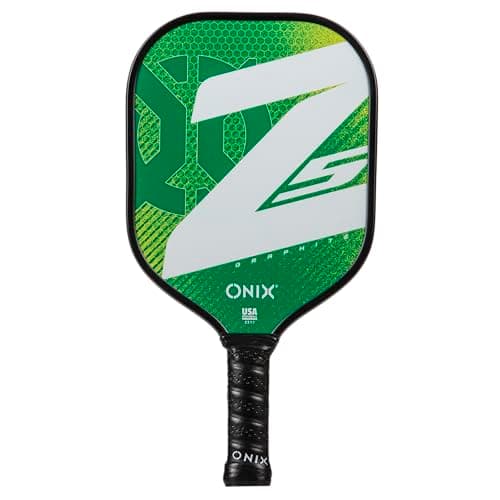
Onix Graphite Z5 MOD
$63.00 · View on AmazonPrice as of October 20, 2026. #ad How we’re funded
Pickleball After a Hip Replacement: What to Know
AAOS lists pickleball among the lower-impact activities a replaced hip can return to — with the surgeon's clearance, the precautions, and the one purchase that addresses the rule that matters most: don't fall.
Our top pick
K-Swiss Express Light Pickleball
Pickleball and Carpal Tunnel: Can It Cause It, and What Helps
Numb fingers at night after a morning on the court — what carpal tunnel is, why gripping and wrist-flicking feed it, and the night splint, playable brace and bigger grip that help.
Our top pick
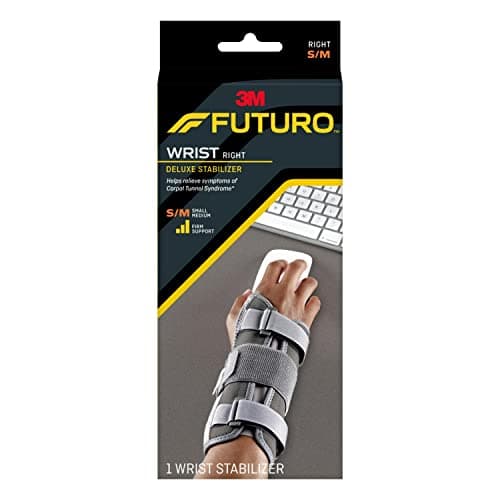
FUTURO Deluxe Wrist Stabilizer
$22.25 · View on AmazonPrice as of October 20, 2026. #ad How we’re funded
How to Choose Pickleball Shoes
Six checks in the order that matters for a body over 55 — and why the first one rules out the shoes most new players turn up in.
Our top pick
K-Swiss Express Light Pickleball
When to Replace Your Pickleball Shoes
A court shoe stops being a court shoe months before it looks finished. Five signs to check, and why a flattened midsole matters more at 65 than at 35.
Our top pick
K-Swiss Express Light Pickleball
Can Pickleball Cause Plantar Fasciitis?
Why the sharp morning heel pain turns up a few months after you take up the sport, what the orthopaedic guidance actually says, and what to change first.
Our top pick
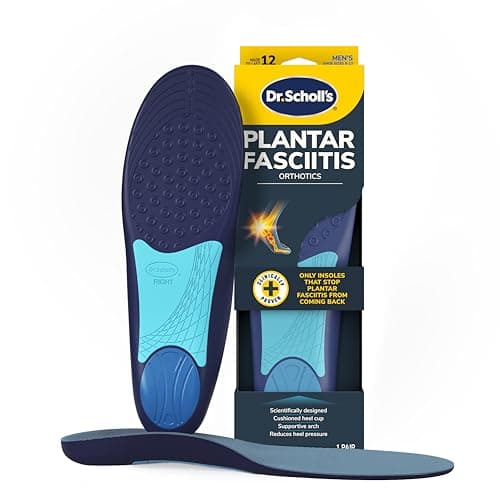
Dr. Scholl's Plantar Fasciitis Relief Orthotics (Men's 8-13)
$15.72 · View on AmazonPrice as of October 20, 2026. #ad How we’re funded
Pickleball Shoulder Pain: Why It Happens and What Helps
The serve and the overhead are what your shoulder objects to, not the dinks — the four changes that reduce the load, in order of how much they help.
Our top pick
Selkirk SLK Atlas Max
Graphite vs Carbon Fiber Pickleball Paddles
Graphite is carbon. The words describe two eras of paddle face, not two materials — what each means on a spec sheet, and why the core matters more than both.
Our top pick
Selkirk SLK Atlas Max
Pickleball and Hip Pain: Groin, Flexor or Joint?
Three different problems get called hip pain and they want three different answers — how to tell which one you have before you buy anything or give anything up.
Our top pick
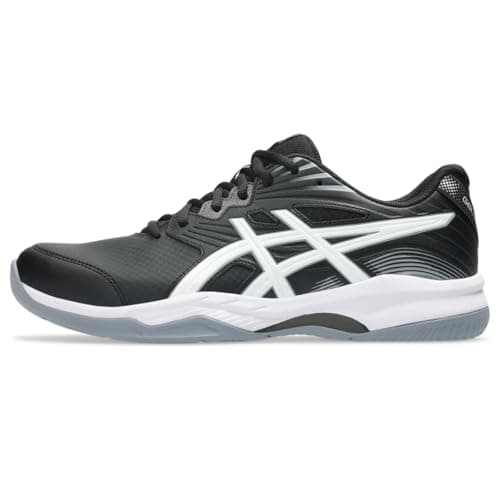
ASICS Gel-Renma 2 Pickleball
$86.66 · View on AmazonPrice as of October 20, 2026. #ad How we’re funded
Pickleball and Your Achilles Tendon
Morning stiffness at the back of the heel is the warning; a sudden pop is the emergency. What the AAOS publishes about each, and the one exercise you must NOT do if the pain is at the insertion.
Our top pick
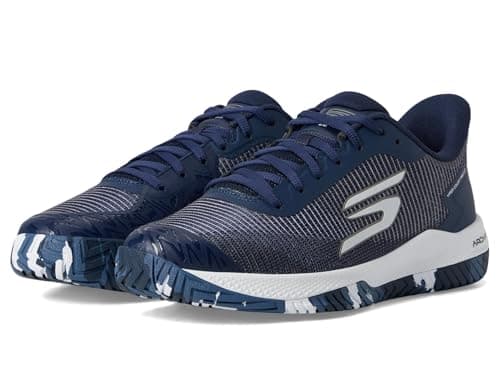
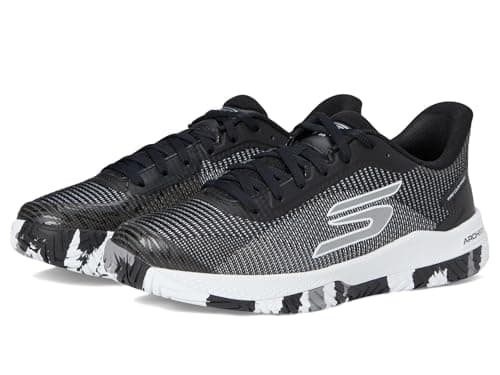
Skechers Pickleball Viper Court Pro 2.0 (Men's)
Pickleball Calf Pain: Strain, Tear or Tightness?
The calf is where a lateral sport quietly loads an older leg - and the AAOS names tennis-type sports as a cause of calf strains outright. How to tell a strain from a tear, and what the tightness is doing to your Achilles.
Our top pick
ASICS Gel-Renma 2 Pickleball
$86.66 · View on AmazonPrice as of October 20, 2026. #ad How we’re funded
Pickleball Foot Pain: Where It Hurts Tells You What It Is
Heel, arch, ball of the foot or top of the foot - four different problems with four different answers. Match your pain to the pattern before you buy a single thing.
Our top pick
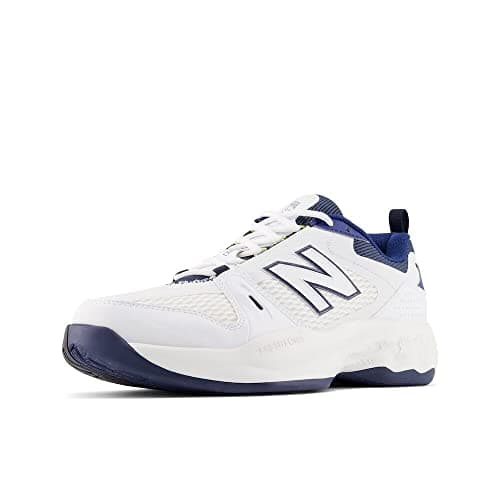
New Balance Fresh Foam X 1007 (Men's, 4E)
$119.95 · View on AmazonPrice as of October 20, 2026. #ad How we’re funded
Pickleball Ankle Sprains: What to Do and When to Play Again
Sprains and strains are 31% of senior pickleball injuries. The three grades, the AAOS home-care sequence, and the honest answer on whether a brace stops the next one.
Our top pick
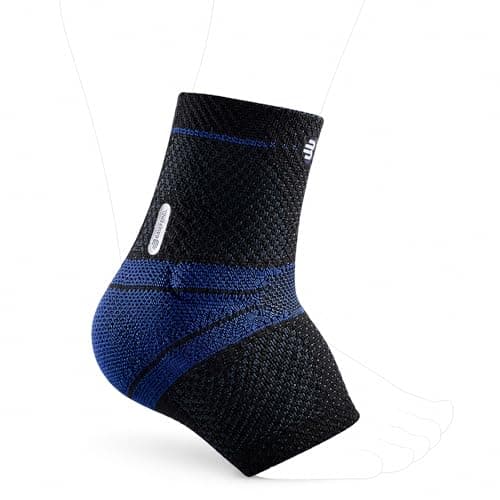
Bauerfeind MalleoTrain
$119.90 · View on AmazonPrice as of October 20, 2026. #ad How we’re funded
Pickleball Thumb Pain: Base-of-Thumb Arthritis or de Quervain's?
Two different thumb problems, both commonest in women over 50, both made worse by gripping a paddle. Which one you have, and why a bigger grip helps more than any glove.
Our top pick
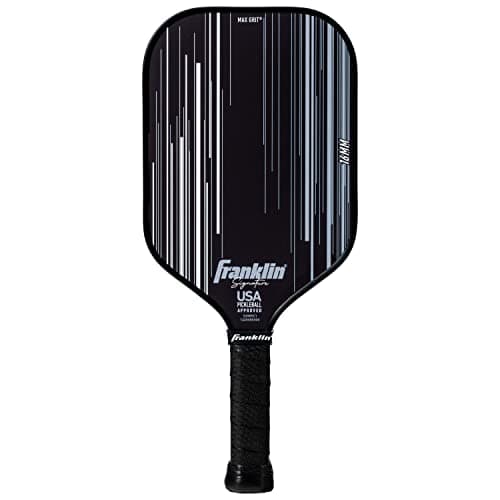
Franklin Sports Signature Series Pro 16mm
$65.41 · View on AmazonPrice as of October 20, 2026. #ad How we’re funded
Playing Pickleball With Bunions
A bunion is a joint that has drifted, not a lump that will shrink - so footwear is damage control, and that is still worth doing properly. What the AAOS says footwear can and cannot do.
Our top pick
Skechers Pickleball Viper Court Pro 2.0 (Women's)
Do You Need Insoles for Pickleball?
An insert can only help if the shoe's own insole comes out - and most court shoes never say whether it does. The four that publish an answer, and the $15 move to try first.
Our top pick
Dr. Scholl's Plantar Fasciitis Relief Orthotics (Men's 8-13)
$15.72 · View on AmazonPrice as of October 20, 2026. #ad How we’re funded
Playing Pickleball When You Wear Glasses
The Academy of Ophthalmology is blunt: everyday eyeglasses are not eye protection, and can make an injury worse if they shatter. The over-the-glasses options, and what to ask for.
Our top pick
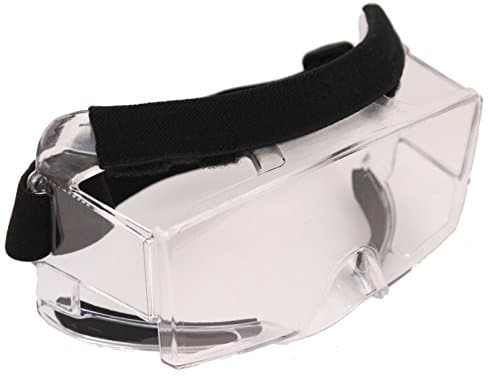
Python Overglasses Protective Eyeguard
$24.99 · View on AmazonPrice as of October 20, 2026. #ad How we’re funded
Pickleball After Cataract Surgery
No published timeline exists - your surgeon sets the date. What AAO does publish about healing, strenuous activity and the two risks that outlive the recovery window.
Our top pick
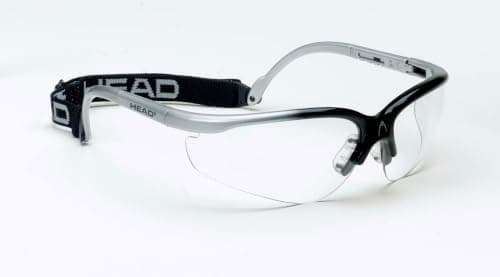
HEAD Pro Elite Racquetball Eyewear
$27.95 · View on AmazonPrice as of October 20, 2026. #ad How we’re funded
How to Wear a Tennis Elbow Brace (and How Long)
AAOS puts the brace 'centered over the back of your forearm' - not on the elbow. Where it actually goes, how tight, when to take it off, and the mistake most players make.
Our top pick
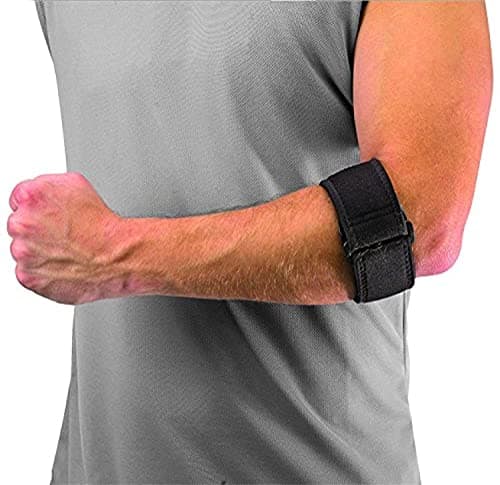
Mueller Tennis Elbow Brace with Gel Pad
Trigger Finger and Pickleball: Catching, Locking, Gripping
A finger that clicks, catches or locks is a tendon too thick for its pulley. Commonest in women aged 40 to 60 - and repetitive gripping is on the AAOS risk list.
Our top pick
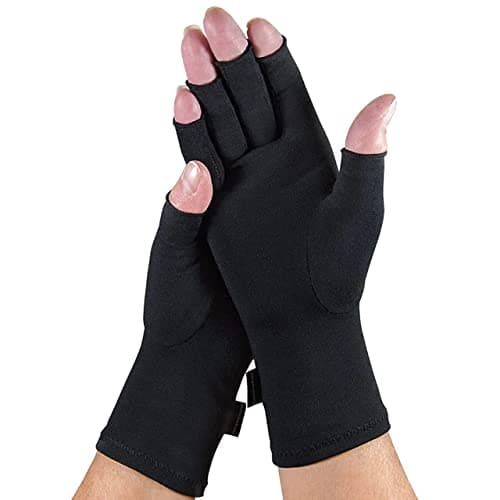
IMAK Compression Arthritis Gloves
$18.99 · View on AmazonPrice as of October 20, 2026. #ad How we’re funded
How to Wrap a Pickleball Paddle Grip
Seven steps, ten minutes, no tools. Plus the part nobody explains: how to use the wrap itself to build the handle up to the circumference your hand actually wants.
Our top pick
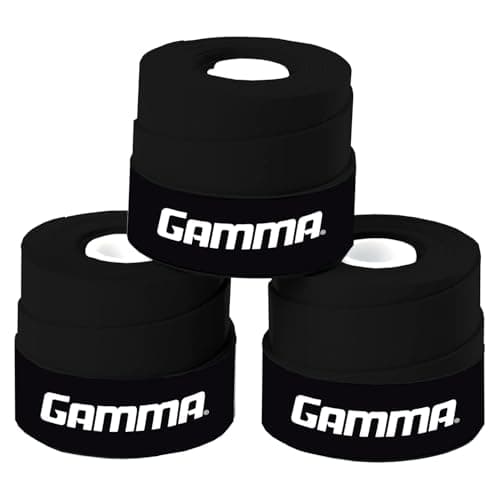
Gamma Supreme Overgrip (3-Pack)
$7.99 · View on AmazonPrice as of October 20, 2026. #ad How we’re funded
Why pickleball is worth the fuss for older players
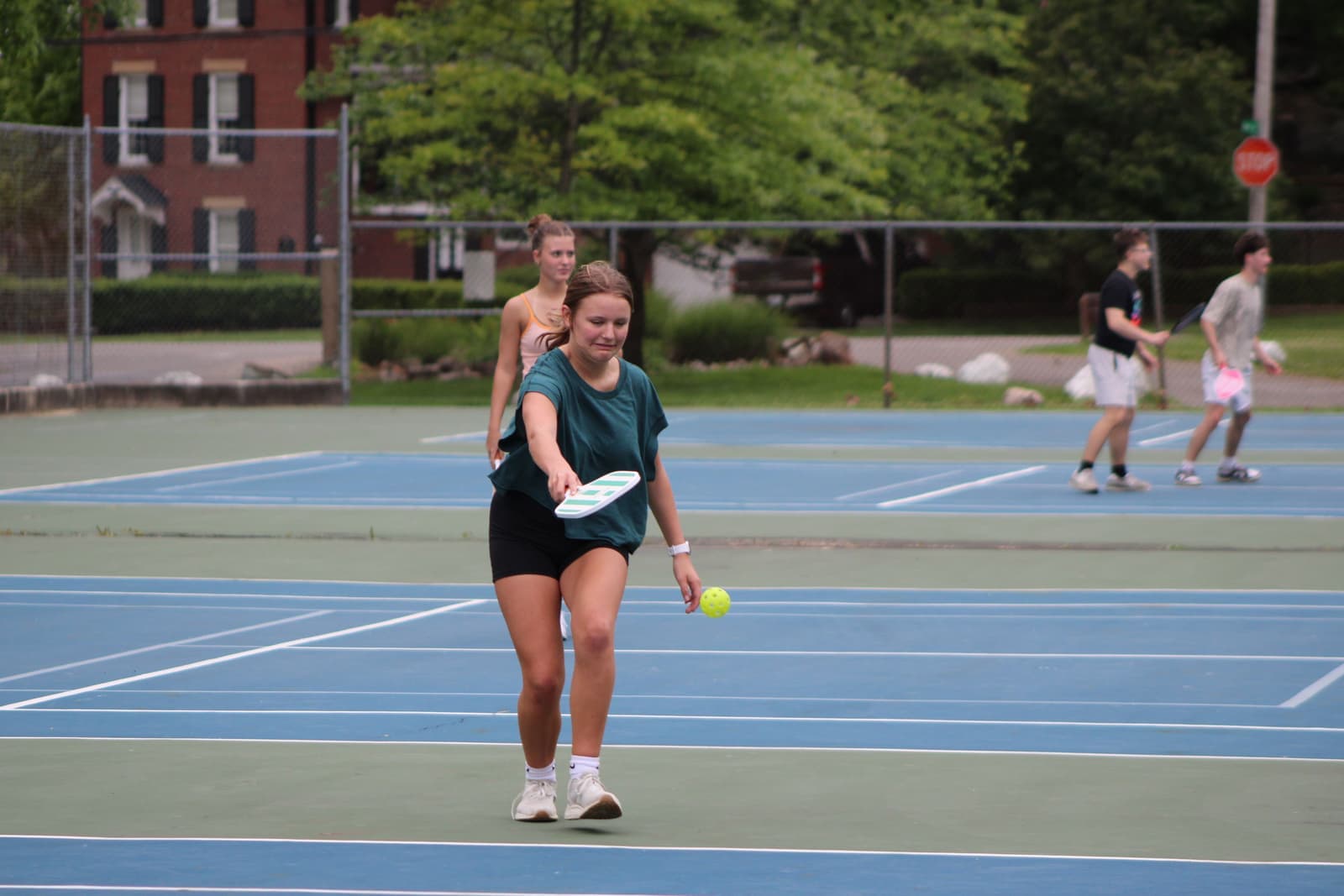
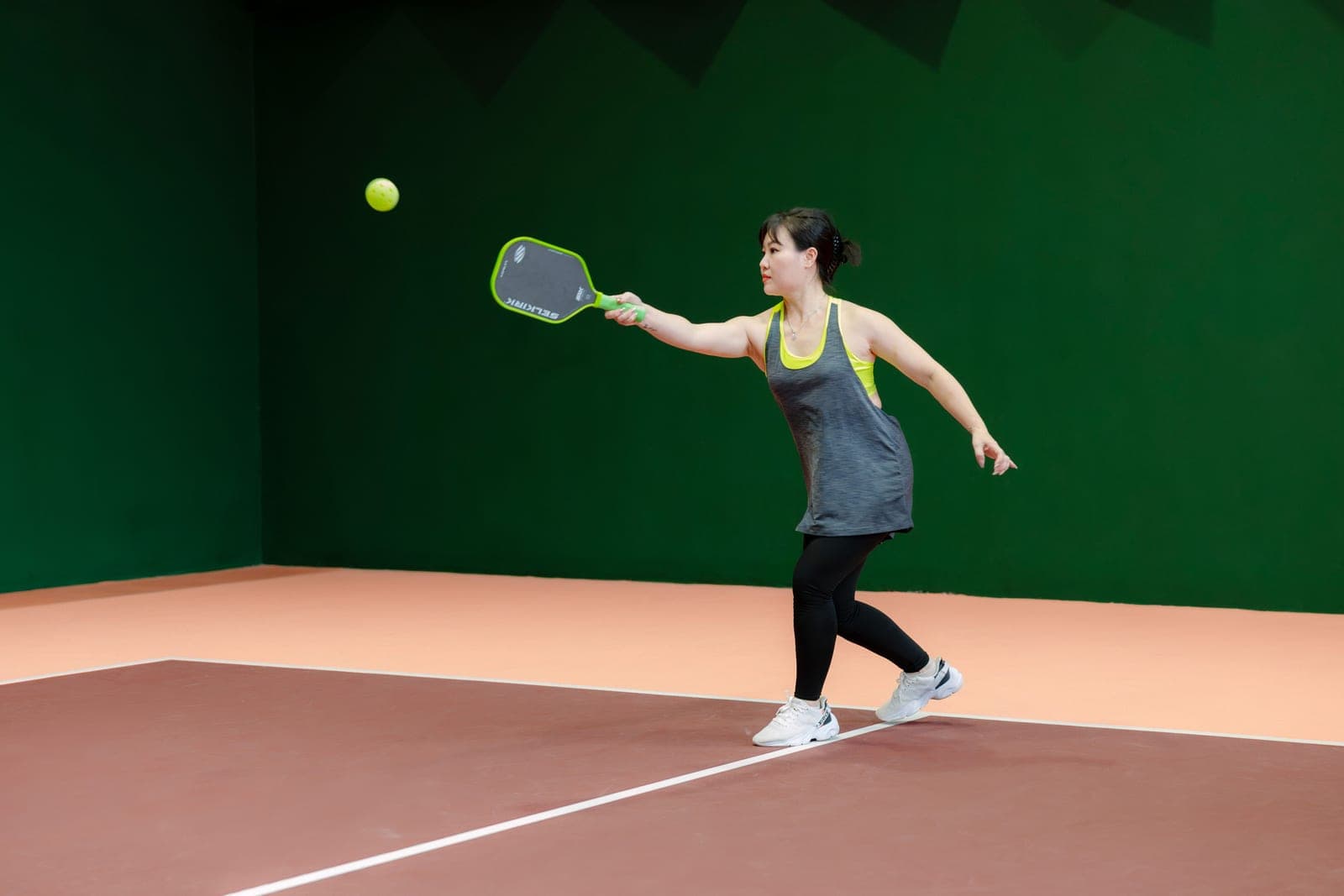
Pickleball has been the fastest-growing sport in the United States for several years running, and a huge share of that growth is players over 55. There’s a good reason: it delivers the social connection, the moderate cardio and the balance and reaction training that the research says older adults benefit from most, at a lower joint impact than tennis or running. The CDC recommends adults 65 and older get at least 150 minutes of moderate activity a week plus balance and strengthening work — and a few games of pickleball checks several of those boxes at once, while barely feeling like exercise.
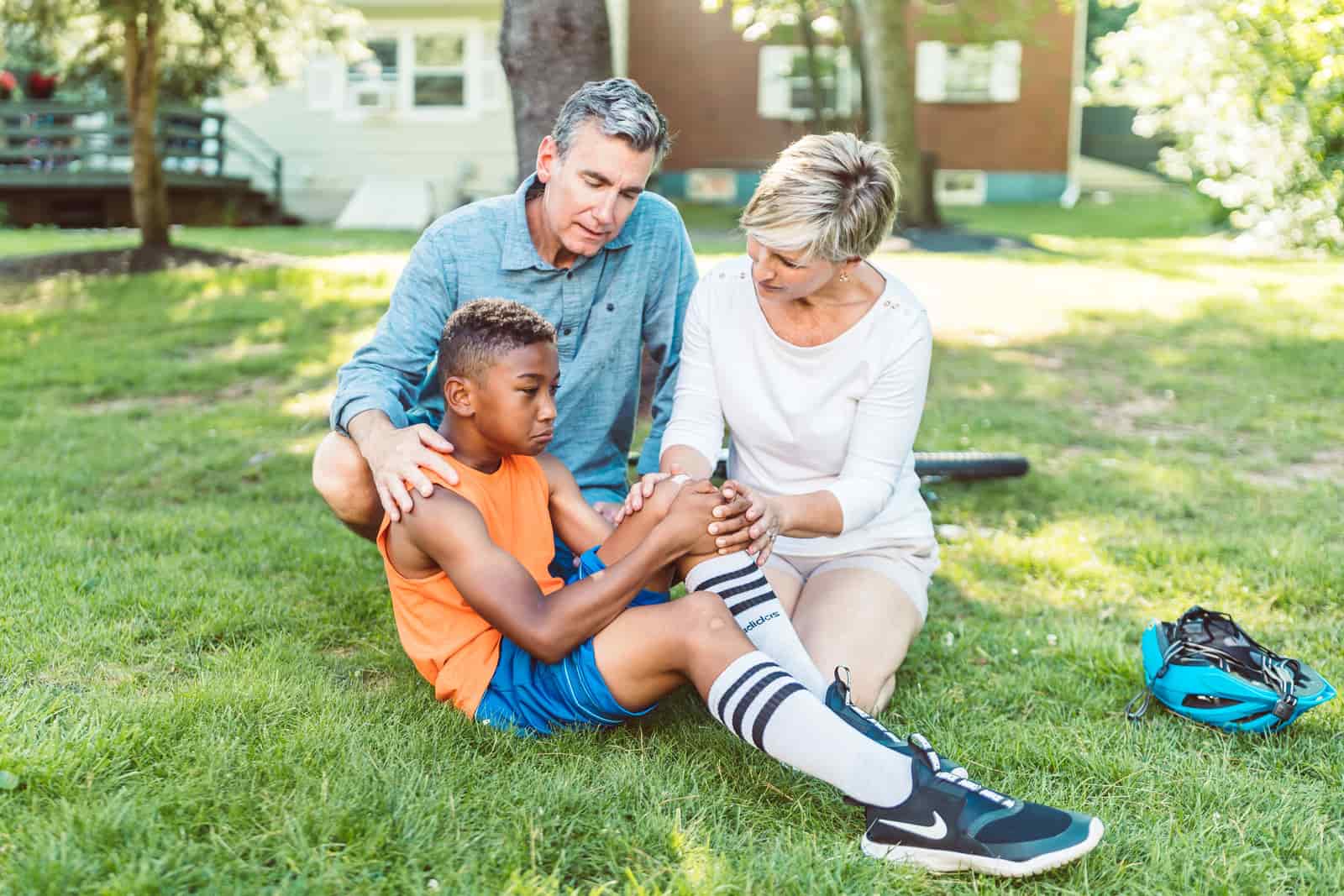
The flip side is honest too: the same research shows the injury burden in pickleball falls heavily on older players, and it’s concentrated in falls and wrist fractures rather than the sport itself being dangerous. That’s good news, because falls are largely preventable — with the right shoes, a proper warm-up, and knowing your limits. Our guides walk through exactly how.
Where to start
- New to it, or on the fence? Start with the complete pickleball for seniorsguide — it’s the overview that links to everything else.
- Worried it might not be safe? Read is pickleball safe for seniors for what the injury data really says and how to lower your risk.
- Have arthritis? See pickleball and arthritis for whether it helps or hurts, and how to set up your gear.
- Ready to buy a paddle? Our how to choose a paddle guide covers weight, grip, core and shape in plain English.
- Brand new to the sport? Read how to start pickleball after 60 for the step-by-step, or pickleball vs tennisif you’re deciding between the two.
- Worried about a specific joint? See pickleball and your knees or pickleball wrist pain for what helps.
- Shopping for a player? Our gift guide pulls the most useful presents at every budget.
- Coming back after surgery? The hip replacement and knee replacementguides cover what the surgeons’ own guidance says about a careful return.
- Numb fingers after playing?That is a nerve problem, not a wrist strain — see pickleball and carpal tunnel.
- Decoding a paddle spec sheet? Two explainers: 13mm vs 16mm core thickness and paddle shapes.
How these guides connect to the gear
The guides and the product lists are two halves of the same thing. A guide explains why a spec matters for your body; the roundup shows you whichproducts deliver it, at a live price. So the arthritis guide links down to the paddles and gloves that ease hand strain, the safety guide links to the shoes that prevent falls, and the paddle guide links to every paddle list. Read the guide to understand what you need, then let the roundup do the shopping.
Frequently asked questions
Is pickleball good exercise for seniors?
Yes. It provides moderate cardio, plus the balance, reaction and light strength work that research links to healthy aging, at a lower joint impact than running or tennis. The CDC recommends adults 65+ get 150 minutes of moderate activity a week with balance and strengthening — pickleball contributes to all of it while being genuinely fun.
What's the biggest injury risk in pickleball for older players?
Falls. Injury data shows that for players 60 and older, the burden is concentrated in falls and wrist fractures rather than the sport being inherently dangerous — which is good news, because falls are largely preventable with proper court shoes, a warm-up, and playing within your limits. Our safety guide covers how.
Should I check with my doctor before starting?
If you have a heart condition, arthritis, a recent injury, or any concern about starting a new sport, yes — talk to your doctor first. Pickleball is low-impact and widely recommended for older adults, but a quick conversation is sensible, and nothing on this site is medical advice.
Sources
- SFIA — 2024 State of Pickleball (growth report) — Pickleball the fastest-growing US sport three years running — up 223.5% over three years, across every age group (accessed July 22, 2026)
- CDC — Older Adult Activity: An Overview — CDC guideline: 150 min/week moderate aerobic activity plus 2 days of muscle-strengthening and balance work for adults 65+ (accessed July 22, 2026)
- Pickleball-Related Geriatric Fractures — Arthroscopy, Sports Medicine & Rehabilitation (2025) — Adults 60+ account for 74.1% of pickleball ED visits and are 1.6x more likely to fracture; 56.1% of geriatric injuries are ground-level falls; women 3x higher fracture odds (accessed July 22, 2026)