Pickleball Court Shoes
Court shoes with the cushioning, stability and roomy fit older players and sore knees need — never a running shoe, which is the wrong tool for side-to-side play.
Shoes are the piece of pickleball gear most people get wrong, and it’s the one most likely to hurt you. Pickleball is a game of quick side-to-side steps, stops and pivots on a hard court — and a running shoe, which is built to roll you forward, offers almost no sideways support. Wearing runners on a pickleball court is the fast track to a rolled ankle or a tweaked knee, and the injury data shows falls are the single biggest risk for players over 60.
A proper court shoe fixes that with a lower, wider, more stable platform and a grippy outsole that plants instead of sliding. For an older player or someone with sore knees, the two things that matter most on top of that are cushioning and a fit that doesn’t pinch.
Everything in Shoes
Best Pickleball Shoes for Seniors
Stable, cushioned, easy-on-the-feet court shoes for players 55+ — comfort and grip without the break-in misery.
Our top pick
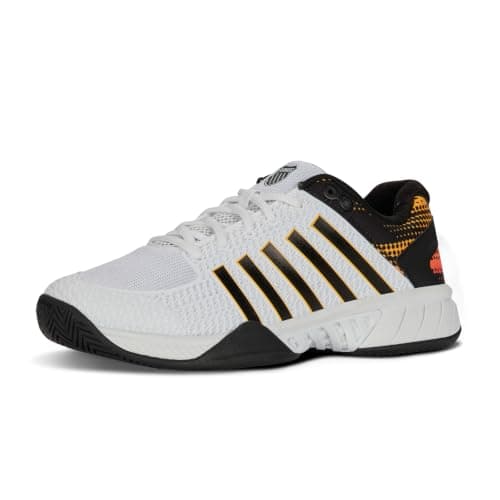
K-Swiss Express Light Pickleball
Best Pickleball Shoes for Bad Knees
The most cushioned court shoes — GEL and FuelCell midsoles — that soften the pounding your knees and hips feel.
Our top pick
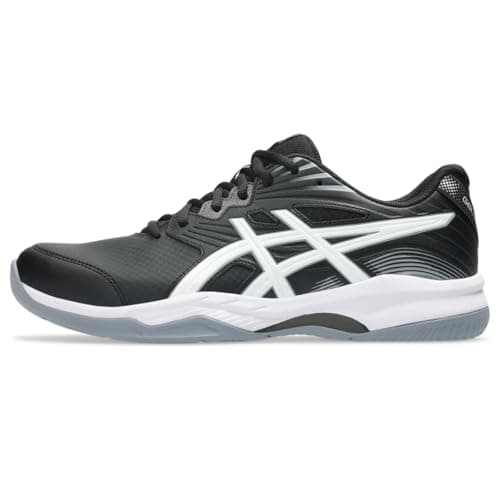
ASICS Gel-Renma 2 Pickleball
$86.66 · View on AmazonPrice as of October 20, 2026. #ad How we’re funded
Best Women's Pickleball Shoes
Court shoes in women's fits — including a genuine wide width — that balance cushioning, support and a shape that doesn't pinch.
Our top pick
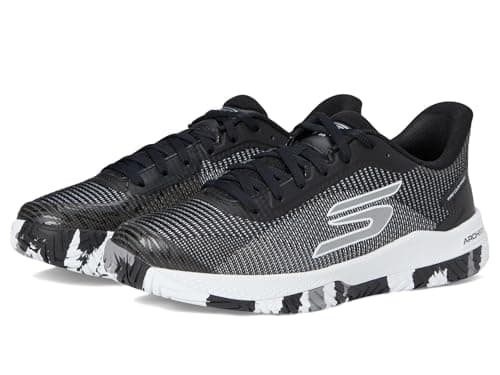
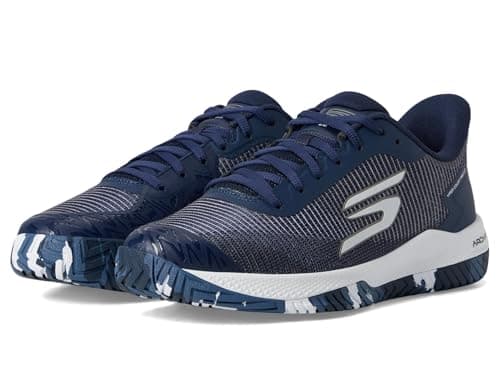
Skechers Pickleball Viper Court Pro 2.0 (Women's)
Best Men's Pickleball Shoes
Stable, cushioned court shoes in men's sizes — purpose-built pickleball and tennis shoes that support the side-to-side game and go easy on older knees.
Our top pick
K-Swiss Express Light Pickleball
Best Budget Pickleball Shoes
The most affordable court shoes that still do the job — real lateral support and cushioning for less, so a proper pickleball shoe doesn't have to be an expensive one.
Our top pick
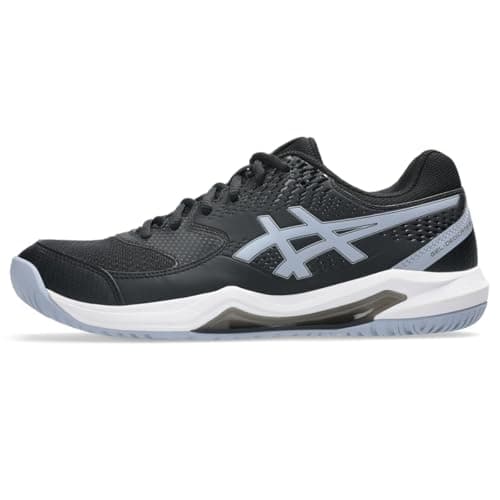
ASICS Gel-Dedicate 8 (Tennis)
K-Swiss Express Light Review
Our best all-round court shoe for a 55+ player — light, stable and purpose-built for the side-to-side game, reviewed in full.
Our top pick
K-Swiss Express Light Pickleball
ASICS Gel-Renma 2 Review
The GEL-cushioned court shoe for players who feel the pounding in their knees, reviewed with its one honest trade-off.
Our top pick
ASICS Gel-Renma 2 Pickleball
$86.66 · View on AmazonPrice as of October 20, 2026. #ad How we’re funded
Skechers Viper Court Pro 2.0 Review
The plush, no-break-in court shoe that's become a 55+ favorite — reviewed for who it fits and who wants more lock-down.
Our top pick
Skechers Pickleball Viper Court Pro 2.0 (Men's)
K-Swiss Express Light vs ASICS Gel-Renma
Lightweight stability versus GEL cushioning — two top court shoes compared to match your feet and your joints.
Our top pick
K-Swiss Express Light Pickleball
Skechers Viper Court Pro 2.0 (Women's) Review
The plush, no-break-in court shoe that's become a 55+ favorite, in a women's fit — real court support with out-of-the-box comfort. Reviewed in full.
Our top pick
Skechers Pickleball Viper Court Pro 2.0 (Women's)
New Balance FuelCell 996 V6 Review
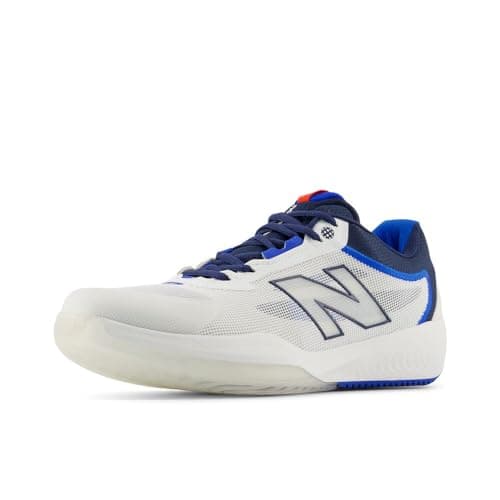
A tennis shoe that crosses beautifully to pickleball — springy FuelCell cushioning and tennis-grade stability. Reviewed in full, with a correction on fit: the V6's standard width runs narrow, and the newer 996v7 was built to fix it.
Our top pick
New Balance FuelCell 996 V6 (Tennis)
$134.95 · View on AmazonPrice as of October 20, 2026. #ad How we’re funded
K-Swiss Express Light vs Skechers Viper Court
Two 55+ favorite court shoes compared — the light, stable, purpose-built K-Swiss against the plush, no-break-in Skechers. Which suits your feet?
Our top pick
K-Swiss Express Light Pickleball
ASICS Gel-Renma vs Gel-Dedicate
Two ASICS GEL shoes compared — the pickleball-specific Gel-Renma against the value tennis Gel-Dedicate. Both cushion sore knees; one costs a lot less.
Our top pick
ASICS Gel-Renma 2 Pickleball
$86.66 · View on AmazonPrice as of October 20, 2026. #ad How we’re funded
Best Pickleball Shoes for Arthritis
Court shoes for arthritic feet, ankles and toes — soft uppers, roomy toe boxes and easy entry, without giving up the lateral support the side-to-side game needs.
Our top pick
Skechers Pickleball Viper Court Pro 2.0 (Men's)
ASICS Gel-Dedicate 8 Review
The cheapest honest route to GEL cushioning and real court support — ASICS' entry tennis shoe, reviewed for the pickleball player watching their knees and their wallet.
Our top pick
ASICS Gel-Dedicate 8 (Tennis)
Best Pickleball Shoes for Plantar Fasciitis
Heel pain is a fascia problem, not a joint problem — so the shoe that helps is the stiff, supportive one, not the soft one. Court shoes with a midfoot that won't twist, plus the cheap insert to try first.
Our top pick
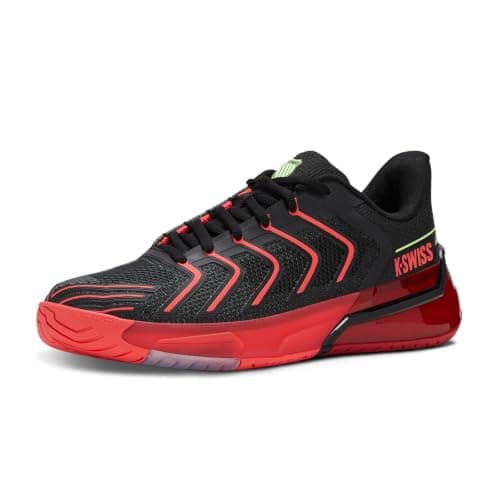
K-Swiss Ultrashot 4 Pickleball
$89.00 · View on AmazonPrice as of October 20, 2026. #ad How we’re funded
Best Pickleball Shoes for Wide Feet
Court shoes that actually come in a wide — a 4E, two Wides and two W widths, verified on the listing — for bunions, swelling and feet that have simply spread. Plus the difference between a wide width and a wide toe box.
Our top pick
New Balance Fresh Foam X 1007 (Men's, 4E)
$119.95 · View on AmazonPrice as of October 20, 2026. #ad How we’re funded
Best Pickleball Shoes for Flat Feet
A collapsing arch wants a shoe with a real midfoot frame, a firm heel and room for an insert — not the softest shoe in the store. Ranked on the maker's published structure, with the $15 orthotic AAOS says to try first.
Our top pick
K-Swiss Ultrashot 4 Pickleball
$89.00 · View on AmazonPrice as of October 20, 2026. #ad How we’re funded
Best Pickleball Shoes for Ankle Support
Sprains are a third of senior pickleball injuries, and a low-cut court shoe prevents them with a heel frame, a wide base and a grippy sole — not a high top. The shoes that publish that structure.
Our top pick
ASICS Gel-Resolution X (Women's)
$159.95 · View on AmazonPrice as of October 20, 2026. #ad How we’re funded
Best Tennis Shoes for Pickleball
A tennis shoe is a court shoe, so yes — it works. Six we list that hold up on a pickleball court, plus the one thing a tennis shoe gives up to a pickleball-specific one.
Our top pick
ASICS Gel-Dedicate 8 (Tennis)
Best Pickleball Shoes for Achilles Tendonitis
Not one court shoe on the market publishes its heel-to-toe drop - so here is what the makers DO publish about the heel, and the five shoes that publish the most of it.
Our top pick
K-Swiss Ultrashot 4 Pickleball
$89.00 · View on AmazonPrice as of October 20, 2026. #ad How we’re funded
Best Indoor Pickleball Shoes
A gym floor has one rule a parking lot doesn't: non-marking soles. Only two shoes we list say the words on their own spec sheets - and that, not cushioning, is where this ranking starts.
Our top pick
K-Swiss Express Light Pickleball
Best Outdoor Pickleball Shoes
Outdoor acrylic over concrete is sandpaper, and it eats court shoes from the toe inward. Ranked on the abrasion evidence makers publish - named compounds, reinforced drag zones, the one guarantee we could trace.
Our top pick
K-Swiss Ultrashot 4 Pickleball
$89.00 · View on AmazonPrice as of October 20, 2026. #ad How we’re funded
K-Swiss Ultrashot 4 Review
The most-specified court shoe we list: a named heel shock frame, a 360-degree chassis, and thicker rubber published exactly where pickleball wears a sole through. Plus the three reasons to buy something else.
Our top pick
K-Swiss Ultrashot 4 Pickleball
$89.00 · View on AmazonPrice as of October 20, 2026. #ad How we’re funded
Lightest Pickleball Shoes (by Published Weight)
Only five court shoes we list publish a weight at all. Here they are in order, lightest first, with the sizes those numbers were measured at - and what the empty cells mean.
Our top pick
K-Swiss Express Light Pickleball
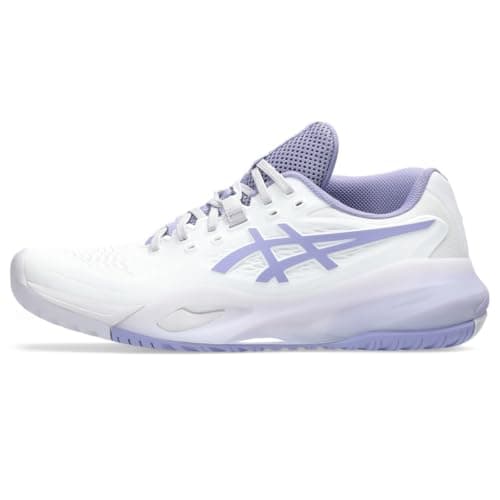
What to look for in a court shoe
- Lateral stability.This is the whole reason to buy a court shoe. A supportive upper and a low, wide base keep your foot from rolling when you push off sideways — the movement where ankles and knees get hurt.
- Cushioning.If your knees and hips feel the pounding, a shoe with a genuine cushioning system — ASICS GEL, New Balance FuelCell and the like — absorbs some of the repeated impact that would otherwise travel up your legs. This is the single most useful feature for a joint-sensitive player.
- A fit that doesn’t pinch. Wide feet, bunions and swelling are common with age, and a shoe that crushes your forefoot changes how you walk and stresses your knees. A roomy toe box or a true wide width is worth seeking out.
- Durable toe. Pickleball drags the toe of the shoe on drop-shots and lunges. A reinforced toe cap is what separates a shoe that lasts a season from one that wears through in weeks.
How this hub divides up
- Best for seniorsis the general-purpose list — stable, cushioned, comfortable court shoes that need little or no break-in.
- For bad knees leads with cushioning: the most-padded court and tennis shoes that soften the impact your knees feel.
- For womengathers court shoes in women’s fits, including a genuine wide width for feet that need room.
- For mengathers stable, cushioned court and tennis shoes in men’s sizes.
- On a budgetis for keeping it cheap without dropping below what’s safe to play in — real court shoes for less.
- For plantar fasciitis is the one list here that inverts the advice above. Heel pain is a fascia problem rather than a joint problem, so it ranks on a midfoot that refuses to twist and cushioning concentrated under the heel — and it starts with the cheap insert rather than a new pair of shoes.
- For wide feetincludes only the court shoes whose makers publish a wide width — a 4E, two Wides and two W listings — for bunions, swelling and feet that have spread.
- For flat feet ranks on the midfoot frame and heel counter that hold a collapsing arch up, and starts with the over-the-counter insert AAOS lists first.
- For ankle support is about the structure below the ankle, not a high top: heel frames, a wide low platform and a sole that still grips, for the sprains that are a third of senior injuries.
Running shoes vs. court shoes — the mistake buyers make
The most common (and most expensive) mistake is assuming your comfortable running shoes are fine for pickleball. They are not. Running shoes have tall, soft heels and narrow bases designed to move you forward efficiently, and that same design makes them tippy and unsupportive when you cut sideways. You can love your running shoes for walking and still need a separate pair for the court. Think of a court shoe the way you’d think of a knee brace: cheap insurance against the injury that would actually keep you off the court.
Tennis shoes, by the way, are excellent for pickleball — they’re built for the same lateral movement, and they’re often more cushioned and more widely available than pickleball-specific models. Several of our picks are tennis shoes for exactly that reason.
Frequently asked questions
Can I just wear running shoes for pickleball?
It's a bad idea. Running shoes are built for forward motion with tall, soft heels and narrow bases, which makes them unstable during the side-to-side steps pickleball demands — the situation where players roll ankles and hurt knees. A court or tennis shoe with a low, wide, supportive base is much safer.
Are tennis shoes good for pickleball?
Yes — tennis shoes are built for the same lateral movement and are often more cushioned and easier to find than pickleball-specific models. Several of our top picks are tennis shoes. The one thing to check is that the outsole suits your court surface (most hard-court outsoles are fine).
What shoes are best for plantar fasciitis?
Almost the opposite of what helps arthritis. An irritated plantar fascia wants a shoe that refuses to twist through the midfoot, with the cushioning concentrated under the heel — so look for a maker that names an actual support structure, like a molded TPU chassis or a rigid frame. Try a cheap pre-made insert in the court shoes you already own first: the American Academy of Orthopaedic Surgeons lists shoe inserts among the standard nonsurgical measures, and published trials have not found expensive custom orthotics to beat prefabricated ones for heel pain. See our plantar fasciitis shoe list for specific picks.
What shoes are best for bad knees?
Look for a genuine cushioning system — ASICS GEL, New Balance FuelCell, or a plush Skechers midsole — on a stable court platform. The cushioning absorbs impact before it reaches your knees, and the stable base stops the sideways rolling that stresses them. See our shoes-for-bad-knees list for specific picks.
Sources
- Pickleball-Related Geriatric Fractures — Arthroscopy, Sports Medicine & Rehabilitation (2025) — Adults 60+ account for 74.1% of pickleball ED visits and are 1.6x more likely to fracture; 56.1% of geriatric injuries are ground-level falls; women 3x higher fracture odds (accessed July 22, 2026)
- CDC — Physical Activity Benefits for Adults 65 or Older — CDC on aerobic, muscle-strengthening and balance activity benefits for adults 65+ (accessed July 22, 2026)
- Arthritis Foundation — Benefits of Exercise for Osteoarthritis — Arthritis Foundation: exercise is the most effective non-drug treatment for OA pain; low-impact activities like walking and cycling are recommended (accessed July 22, 2026)
- American Academy of Orthopaedic Surgeons (OrthoInfo) — Plantar Fasciitis and Bone Spurs — AAOS: plantar fasciitis is most common between ages 40 and 60, and repetitive high-impact activity is a named risk factor; more than 90% of patients improve within 10 months of starting simple treatment. Footwear guidance: 'Shoes with thick soles and extra cushioning can reduce pain with standing and walking', soft silicone heel pads work by elevating and cushioning the heel, pre-made or custom shoe inserts are also helpful, and old athletic shoes should be replaced before they wear out (accessed August 31, 2026)