Pickleball Paddles
Paddles chosen for hands, elbows and wrists that feel the game — lighter builds, cushioned or larger grips, and softer cores, compared on the specs that actually reduce strain.
The paddle is the one piece of gear that touches your body on every single shot, which makes it the piece that most decides whether your hands, wrist and elbow feel good after a game or ache for the rest of the day. For a player over 55 — or anyone managing arthritis, tennis elbow or a weak wrist — the “best” paddle isn’t the one a tournament pro swings. It’s the one that asks the least of your joints.
We sort paddles on the four things that actually change how the game feels in your arm: weight, grip size and cushioning, core softness and shape. Not on who paid the most, and not on power ratings that only matter if you’re trying to bang winners. Every list below leads with a quick-pick table so the answer is on the first screen.
Everything in Paddles
Best Pickleball Paddles for Seniors
Lightweight, forgiving paddles with comfortable grips — the ones that go easy on a 55+ player's hands and arm.
Our top pick
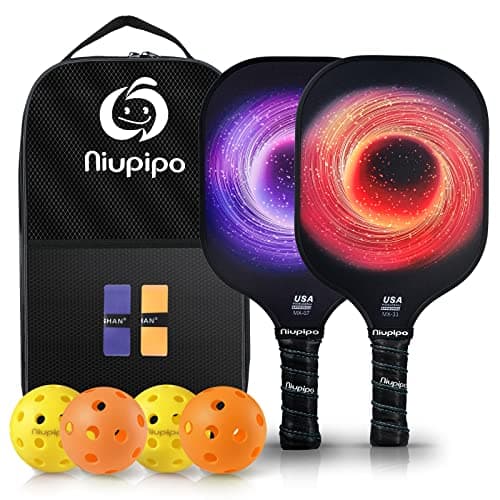
Niupipo Fiberglass Pickleball Paddle
Best Pickleball Paddles for Arthritis
Softer grips, cushioned handles and lighter builds for arthritic hands — plus which paddles won't tell you the weight.
Our top pick
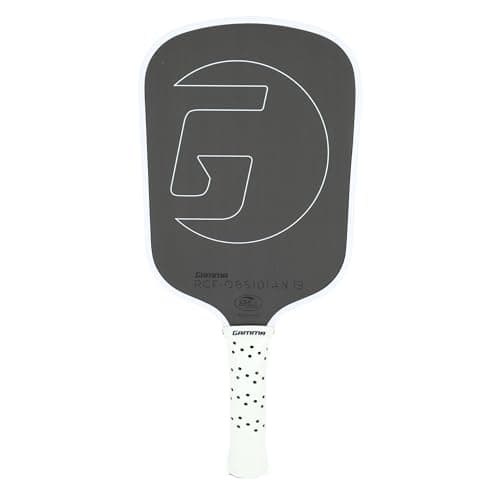
Gamma Obsidian 13
Best Pickleball Paddles for Tennis Elbow
Vibration-dampening, arm-friendly paddles led by the brand elbow-sufferers reach for first — ProKennex — with softer-core alternatives.
Our top pick
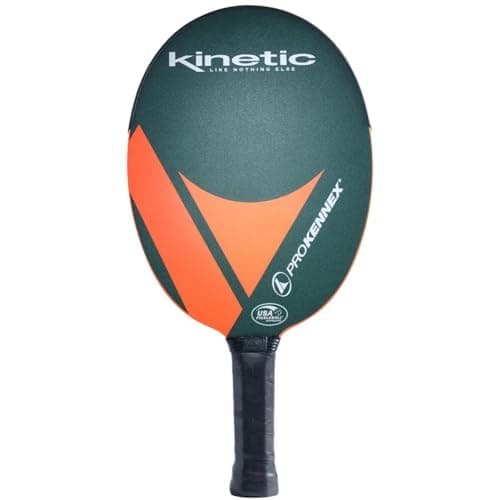
ProKennex Ovation Speed II
$159.99 · View on AmazonPrice as of October 20, 2026. #ad How we’re funded
Best Lightweight Pickleball Paddles
The paddles that swing lightest and ask the least of your wrist — and an honest word on why so few brands publish a weight.
Our top pick
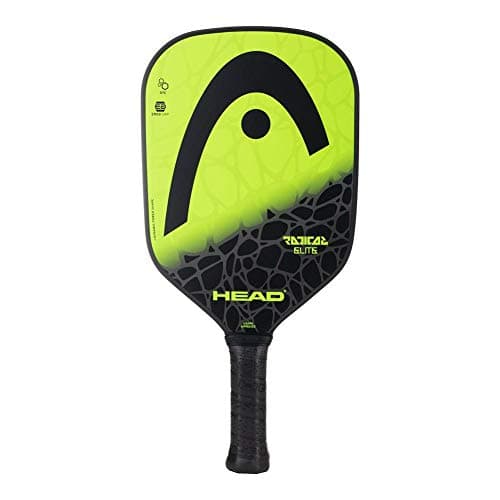
HEAD Radical Elite
Best Pickleball Paddles for Beginners
Forgiving, affordable first paddles that go easy on an older beginner's arm — light builds, comfortable grips, soft cores and USA Pickleball approval.
Our top pick
Niupipo Fiberglass Pickleball Paddle
Best Pickleball Paddles for Wrist Pain
Light paddles with cushioned, relaxed grips that spare a sore or weak wrist — less weight to swing and less shock to absorb on every hit.
Our top pick
Niupipo Fiberglass Pickleball Paddle
Best Control Pickleball Paddles
Touch-and-placement paddles that reward a soft, relaxed game over big swings — the smarter, more joint-friendly way to play as you age.
Best Low-Vibration Pickleball Paddles
Paddles built to dampen the shock that travels into your hand and elbow — carbon faces, cushioned grips and thick, soft polymer cores.
Our top pick
ProKennex Pro Flight
$189.95 · View on AmazonPrice as of October 20, 2026. #ad How we’re funded
ProKennex Ovation Speed II Review
The comfort-first paddle arm-sore players reach for first — a Toray carbon face and cushioned grip, reviewed for who should (and shouldn't) buy it.
Our top pick
ProKennex Ovation Speed II
$159.99 · View on AmazonPrice as of October 20, 2026. #ad How we’re funded
ProKennex Ovation Speed II vs Gamma Obsidian
Two comfort paddles compared: carbon vibration control for a sore elbow versus a soft foam handle for arthritic hands.
Our top pick
ProKennex Ovation Speed II
$159.99 · View on AmazonPrice as of October 20, 2026. #ad How we’re funded
Gamma Obsidian Review
The soft molded-foam-handle paddle built for arthritic hands, reviewed in full — who it suits and who won't love the foam feel.
Our top pick
Gamma Obsidian 13
Niupipo Pickleball Paddle Review
The value first paddle for players over 60 — lightweight, cushioned grip and a rare published grip length, reviewed honestly.
Our top pick
Niupipo Fiberglass Pickleball Paddle
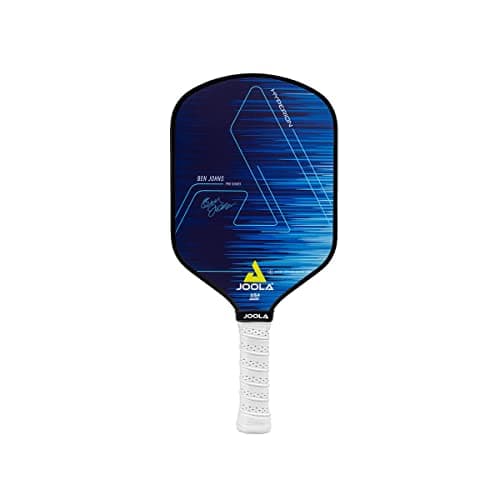
JOOLA Ben Johns Hyperion CAS 16 Review
The performance benchmark for the improving senior player — a 16mm carbon paddle with real spin, and one caveat for weak wrists.
Our top pick
JOOLA Ben Johns Hyperion CAS 16
Niupipo vs HEAD Radical Elite
Two of the best budget beginner paddles head to head — which first paddle goes easier on an older arm.
Our top pick
Niupipo Fiberglass Pickleball Paddle
Best Pickleball Paddles for Intermediate Players
Step-up paddles for an improving player — carbon faces, bigger sweet spots and real control, chosen so the upgrade helps your game without punishing an older arm.
Our top pick
JOOLA Ben Johns Hyperion CAS 16
Best Carbon Fiber Pickleball Paddles
Carbon faces feel more muted, controlled and forgiving than fiberglass — and often kinder to a sore arm. The carbon paddles worth the money, comfort-first to performance.
Our top pick
ProKennex Ovation Speed II
$159.99 · View on AmazonPrice as of October 20, 2026. #ad How we’re funded
HEAD Radical Elite Review
A budget beginner paddle from a name you trust from tennis — fiberglass face, honeycomb core and comfort grip, reviewed honestly for an older player.
Our top pick
HEAD Radical Elite
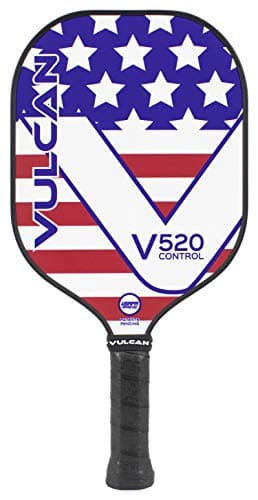
Vulcan V520 Review
A control-first paddle at a fair price, tuned for touch instead of power — exactly what most older players should be reaching for. Reviewed in full.
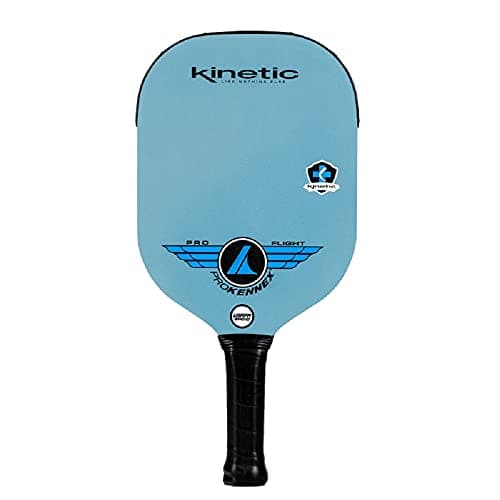
ProKennex Pro Flight Review
The all-court ProKennex — the brand's arm-friendly comfort feel with more reach and drive, for players protecting a sore arm without giving up offense.
Our top pick
ProKennex Pro Flight
$189.95 · View on AmazonPrice as of October 20, 2026. #ad How we’re funded
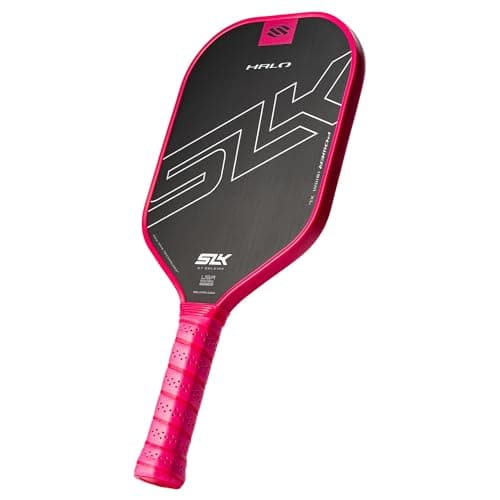
Selkirk SLK Halo Power XL Review
A carbon-fiber Selkirk well under premium prices — an XL shape for reach and a bigger sweet spot, and the natural step up from a beginner paddle.
Our top pick
Selkirk SLK Halo Power XL
Selkirk SLK Halo vs JOOLA Ben Johns Hyperion
Two carbon step-up paddles compared — the affordable, forgiving Selkirk against the performance-benchmark JOOLA. Which upgrade suits an improving player?
Our top pick
Selkirk SLK Halo Power XL
ProKennex Ovation Speed II vs Pro Flight
Two arm-friendly ProKennex paddles compared — the pure-comfort control Ovation against the more all-court Pro Flight. Same comfort recipe, two different games.
Our top pick
ProKennex Ovation Speed II
$159.99 · View on AmazonPrice as of October 20, 2026. #ad How we’re funded
Best Pickleball Paddles for Senior Women
Light paddles with slimmer handles and softer grips — sized and weighted for smaller hands and less grip strength, not shrunk-and-pinked versions of a men's paddle.
Our top pick
Niupipo Fiberglass Pickleball Paddle
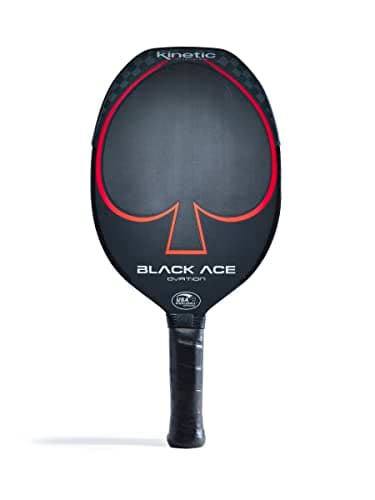
ProKennex Black Ace Ovation Review
The cheapest way into ProKennex's arm-friendly design — the same Toray carbon face and cushioned grip as the flagships, at a mainstream price. Reviewed in full.
Our top pick
ProKennex Black Ace Ovation
$104.99 · View on AmazonPrice as of October 20, 2026. #ad How we’re funded
ProKennex Ovation Speed II vs Selkirk SLK Halo
Comfort engineering against carbon value — the paddle built to protect a sore elbow versus the forgiving XL step-up. Which one your arm should get.
Our top pick
ProKennex Ovation Speed II
$159.99 · View on AmazonPrice as of October 20, 2026. #ad How we’re funded
Best Pickleball Paddles Under $100
What a hundred dollars actually buys now — thick soft cores, carbon faces and, on a few, a published weight and grip size. The sub-$100 paddles worth an older player's money.
Our top pick
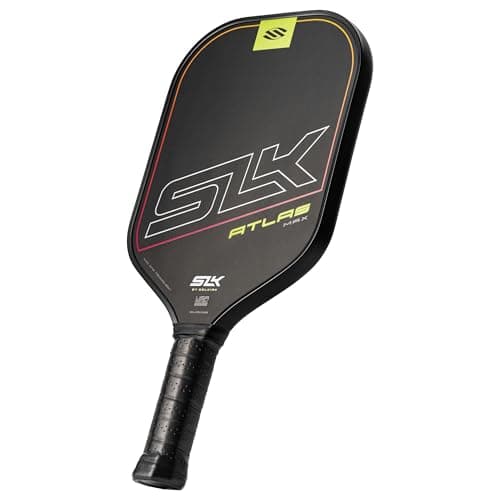
Selkirk SLK Atlas Max
Selkirk SLK Atlas Max Review
The sub-$100 paddle with a published spec sheet — a 16 mm Rev-Control core and a raw carbon face, in the widebody shape. Reviewed on the numbers Selkirk prints, and the one it doesn't.
Our top pick
Selkirk SLK Atlas Max
Best Pickleball Paddles for Tennis Players
Long handles for the two-handed backhand, elongated faces for reach, and a published weight so the switch is kind to a shoulder and elbow that already have tennis miles on them.
Our top pick
JOOLA Ben Johns Hyperion CAS 16
Best Pickleball Paddles for Shoulder Pain
A sore shoulder feels swing weight, not paddle weight — so these are ranked on the published ounces and the length of the paddle, shortest and lightest first, with the overhead habit to break.
Our top pick
Selkirk SLK Atlas Max
Best Pickleball Paddles for Small Hands
You can build a grip up but you can never shrink one — so start with the four paddles whose makers actually publish a 4 to 4.25 inch grip circumference, and the measurement to take first.
Our top pick
Selkirk SLK Atlas Max
Best Pickleball Paddles Under $50
Fifty dollars now buys a published weight, a real grip size and — on one paddle — a 16 mm core and a carbon face. The five worth an older player's money, and the specs budget makers still hide.
Our top pick
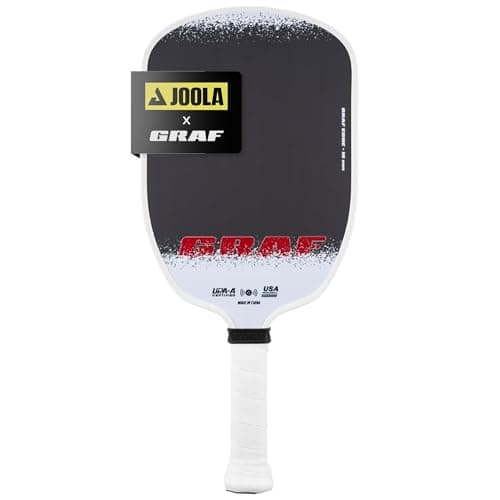
JOOLA Graf Edge 16mm
$49.95 · View on AmazonPrice as of October 20, 2026. #ad How we’re funded
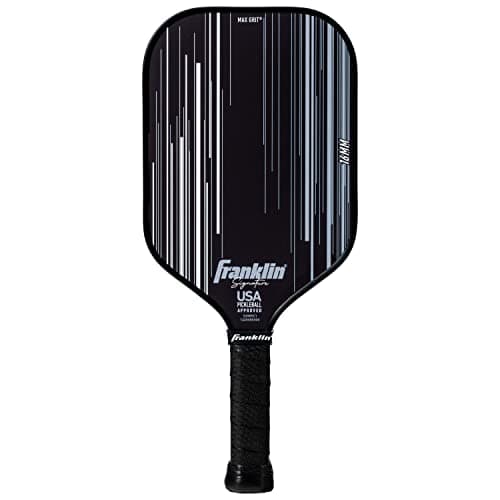
Franklin Signature Series Pro Review
A published 4 1/2 inch large grip on a sub-$100 paddle — the single most useful spec for an arthritic hand. Both core thicknesses reviewed, and which one not to buy.
Our top pick
Franklin Sports Signature Series Pro 16mm
$65.41 · View on AmazonPrice as of October 20, 2026. #ad How we’re funded
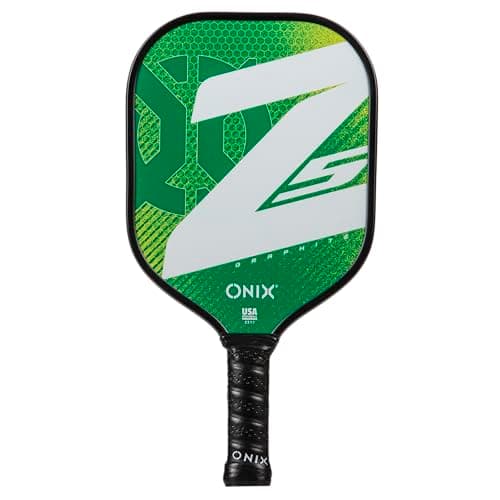
Onix Graphite Z5 MOD Review
The widest face on any paddle we list, and the most forgiving shape for unreliable contact — reviewed, including the hard Nomex core that undoes some of the good work.
Our top pick
Onix Graphite Z5 MOD
$63.00 · View on AmazonPrice as of October 20, 2026. #ad How we’re funded
Best 16mm Pickleball Paddles
The thicker core is the one an older arm wants — softer contact, a bigger sweet spot, less shock up the handle. Five paddles whose makers actually print the 16 mm figure.
Our top pick
Selkirk SLK Atlas Max
Best Pickleball Paddles Under $75
The band where a paddle stops cutting corners - a 16 mm core, a published weight and a real grip size, all still under seventy-five dollars. Five, with live prices.
Our top pick
Selkirk SLK Atlas Max
Best Pickleball Paddles Under $150
The rung where vibration control stops being a marketing word and becomes a named, published system. Five paddles that clear it without crossing $150.
Our top pick
ProKennex Black Ace Ovation
$104.99 · View on AmazonPrice as of October 20, 2026. #ad How we’re funded
Pickleball Paddles With the Largest Sweet Spot
No maker publishes a measured sweet spot, so we rank on the number they do publish - face width - and on the core behind it. Nine of nineteen paddles qualify.
Our top pick
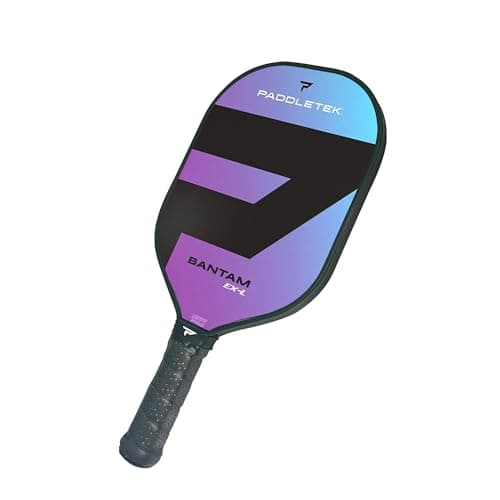
Paddletek Bantam EX-L
Paddletek Bantam EX-L Review
The only 16 x 8 in paddle we list - the largest published hitting face in our registry, from a maker that prints its weight range. Reviewed in full, core caveat included.
Our top pick
Paddletek Bantam EX-L
What makes a paddle easier on the joints
Four specs do most of the work, and they interact:
- Weight.A lighter paddle asks less of your wrist and elbow on every swing, and it’s quicker to react with at the net. It also has less power — which, for most recreational and senior play, is a fair trade. The frustrating part is that most brands don’t publish an exact weight; where a maker won’t say, we mark it “Not published” rather than guess.
- Grip size and cushioning.A grip that’s too small forces your hand to squeeze harder, which is exactly what an arthritic or tennis-elbow hand should avoid. A slightly larger circumference and a cushioned or molded handle let you hold the paddle loosely, which reduces strain up the whole arm.
- Core softness.A thicker polypropylene honeycomb core absorbs more of the ball’s impact, so less shock travels into your hand. Thinner, stiffer cores hit harder and transmit more vibration — the opposite of what a sore joint wants.
- Shape. A standard-shape paddle keeps the weight closer to your hand and is the most maneuverable. An elongated shape adds reach and power but carries the weight further out front, which a weak wrist feels on every swing.
How this hub divides up
Start with the list that matches your body, not your skill level:
- Best for seniorsis the general-purpose starting point — light, forgiving, comfortable paddles for a 55+ player who wants a sensible first or second paddle.
- For arthritis prioritizes grip comfort above all: softer, larger or cushioned handles that let arthritic hands hold on without squeezing.
- For tennis elbowleads with vibration control — the paddles (ProKennex especially) built to muffle the shock that aggravates a sore elbow.
- Lightweight is for players who want the quickest, least-tiring paddle in hand, and it doubles as an honest look at which brands actually tell you the weight.
- Best for beginnersis the value-first starting point — forgiving, affordable paddles that are easy on an older beginner’s arm.
- For wrist pain keeps the weight down and the grip relaxed, for the joint the sport aggravates most.
- Control paddlesreward touch and placement over power — the smarter, more joint-friendly way to play as you age.
- Low-vibration gathers the paddles built to dampen the shock that reaches a sore hand or elbow.
- Under $50is the budget tier, ranked on what the maker will put in writing — and it now includes a 16 mm carbon paddle with a published weight, which the budget tier never used to.
- For shoulder painranks on swing weight — the published ounces and the length of the paddle together — because that, not the number on the box, is what a sore shoulder feels.
- For small hands lists only the paddles whose makers publish a 4 to 4.25 inch grip, since a grip can be built up but never shrunk.
- For tennis playersis for the switcher who wants a long handle and reach — with a published weight so the move is kind to an arm with tennis miles on it.
What decides the price — and the mistake buyers make
Three things move a paddle’s price: the face material (carbon fiber costs more than fiberglass and gives a more controlled feel), the construction (a thermoformed unibody costs more than a glued build), and the brand. A carbon paddle can be genuinely nicer to play with — but it is not automatically gentler on your arm than a lighter, cushioned fiberglass one.
The mistake we see most often is buying on power. A powerful paddle rewards a big swing, and a big swing is exactly what stresses an aging elbow and wrist. If you have a sore joint, buy for control and comfort, play with a relaxed grip, and let placement win points instead of pace. Your arm will thank you, and so will your record against the players trying to smash everything.
Frequently asked questions
What weight pickleball paddle is best for seniors?
A lighter paddle — generally in the midweight-and-under range — is easier on an older player's wrist and elbow and quicker to maneuver at the net. The catch is that many brands don't publish an exact weight, so we flag which do and which don't, and lean toward paddles marketed as lightweight with cushioned grips.
Is a bigger grip better for arthritis?
Usually, yes. A grip that's slightly too large is far better than one that's too small, because a small grip forces your hand to squeeze harder — the exact motion that aggravates arthritic hands. A cushioned or molded handle helps even more. You can also build a grip up with an overgrip if it feels thin.
Do I need a carbon fiber paddle?
No. Carbon faces feel more controlled and refined, and many players love them, but they aren't inherently gentler on your arm than a lighter fiberglass paddle with a soft core and a cushioned grip. Buy for weight, grip and core comfort first; treat the face material as a preference, not a requirement.
Sources
- USA Pickleball — Equipment Standards Manual — The manufacturing specifications and testing (including the PBCoR power test) paddles must meet to be approved (accessed July 22, 2026)
- A Review of Physiotherapy Techniques Used in the Treatment of Tennis Elbow — PMC (2023) — Lateral epicondylitis is an overuse tendinopathy of the forearm extensors; conservative care — rest, bracing/counterforce straps and graduated loading — is the mainstay (accessed July 22, 2026)
- CDC — About Physical Activity and Arthritis — CDC: regular physical activity reduces arthritis pain and improves function, mood and quality of life; low-impact activity is recommended (accessed July 22, 2026)