Pickleball Accessories
The small gear that quietly decides how comfortable a session is — balls you can actually see, eye protection that publishes an impact standard, a bag that doesn't hang off one shoulder, and a grip that stops your hand clenching.
Paddles and shoes get all the attention, and they should — they’re the two things that most change how your body feels after a session. But a surprising amount of everyday comfort comes from the cheap stuff nobody writes about: whether you can actually see the ball, whether your bag hangs off one shoulder for the walk from the car, and whether the handle of your paddle is the right thickness for your hand.
None of these cost much. All of them are the kind of thing a 55+ player fixes once and then never thinks about again. This hub covers the four that matter: balls, eye protection, bags and grips and overgrips — each chosen for the same reason everything else on this site is, which is what it asks of your eyes, your hands and your joints.
Everything in Accessories
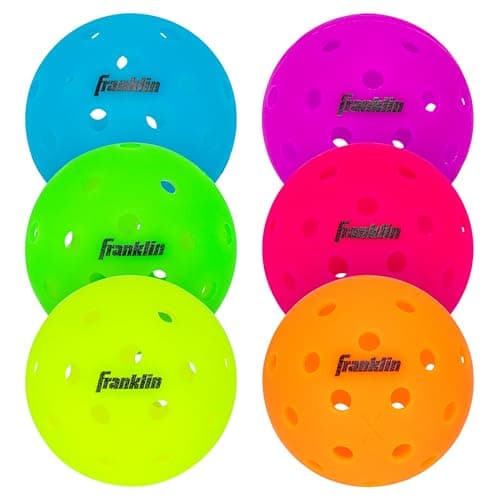
Best Pickleball Balls for Seniors
High-visibility outdoor and indoor balls chosen for eyes that aren't 25 any more — plus the quiet foam ball that solves the neighborhood noise argument.
Our top pick
Franklin Sports X-40 Tournament Pickleballs
$12.06 · View on AmazonPrice as of October 20, 2026. #ad How we’re funded
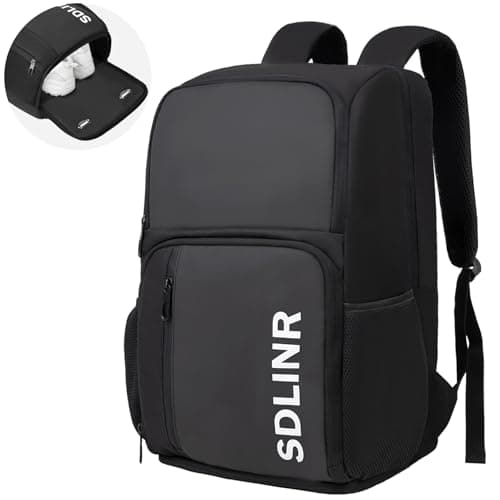
Best Pickleball Bags for Seniors
Two-strap backpacks, light crossbody slings and the fence hook that keeps you from squatting to the ground a dozen times a session.
Our top pick
SDLINR Large Pickleball Backpack
$37.99 · View on AmazonPrice as of October 20, 2026. #ad How we’re funded
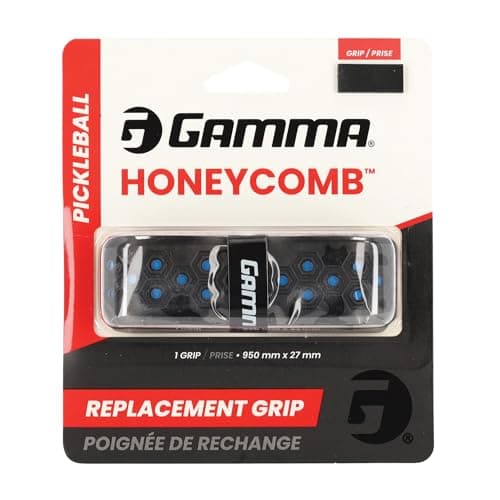
Best Pickleball Overgrips for Arthritic Hands
The cheapest upgrade in pickleball: a cushioned or tacky grip that lets you hold the paddle loosely, and two wraps that fix a handle that's a size too small.
Franklin X-40 vs Dura Fast 40
The two outdoor tournament standards, side by side on measured numbers rather than folklore — including the one spec that decides it if your elbow or wrist already complains.
Our top pick
Franklin Sports X-40 Tournament Pickleballs
$12.06 · View on AmazonPrice as of October 20, 2026. #ad How we’re funded
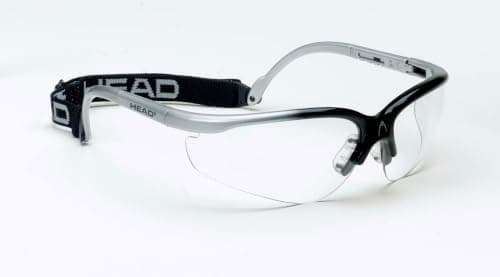
Best Pickleball Eye Protection for Seniors
Emergency-room eye injuries from pickleball are climbing fastest among players over 50 — here are the glasses and goggles that actually publish an impact standard, including one that fits over your own glasses.
Our top pick
HEAD Pro Elite Racquetball Eyewear
$27.95 · View on AmazonPrice as of October 20, 2026. #ad How we’re funded
Indoor vs Outdoor Pickleballs: What Is Actually Different?
Fewer, bigger holes and softer plastic indoors; forty smaller holes and hard plastic outdoors. What that changes for your arm, your eyes and your game.
Our top pick
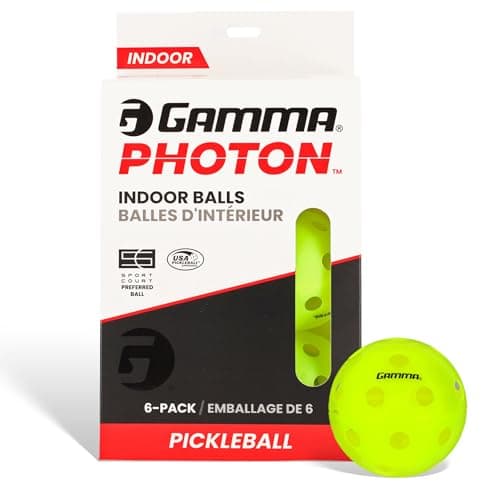
Gamma Photon Indoor Pickleballs
$21.97 · View on AmazonPrice as of October 20, 2026. #ad How we’re funded
Best Pickleball Overgrips for Sweaty Hands
A slipping handle makes you squeeze harder, and squeezing harder is what hurts an older elbow. The dry-feel overgrips that fix the cause, not the symptom.
Our top pick
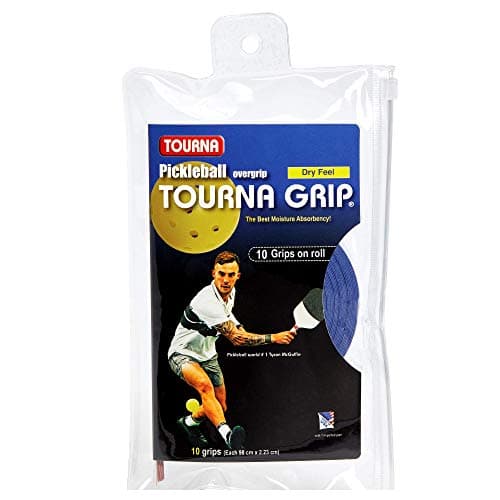
Tourna Tourna Grip Original (10-Pack)
$18.50 · View on AmazonPrice as of October 20, 2026. #ad How we’re funded
Best Pickleball Grips for Tennis Elbow
AAOS treats a racquet-sport equipment check as part of tennis elbow care. On a paddle the equipment lever is the handle - four grips ranked on circumference and cushioning.
Our top pick
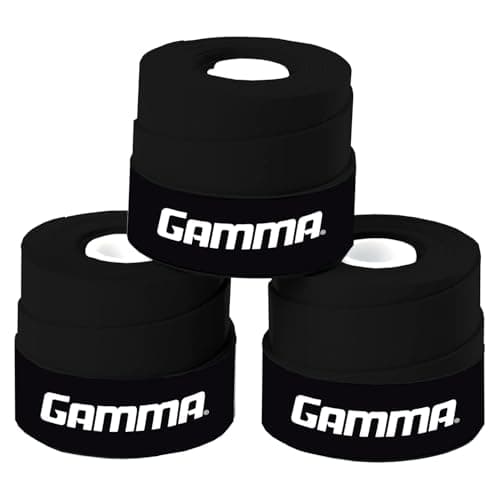
Gamma Supreme Overgrip (3-Pack)
$7.99 · View on AmazonPrice as of October 20, 2026. #ad How we’re funded
Why the small stuff matters more after 55
Because most of what goes wrong in senior pickleball is a chain, not a single event. A ball you pick up late becomes a lunge; a lunge becomes a stumble; and a stumble is how the biggest injury category in this sport — ground-level falls among players 60 and over — actually happens. A high-contrast ball costs about ten dollars and buys back a fraction of a second at the front of that chain. That is a better return than almost anything you can spend on a paddle.
The same logic runs through the rest of it. A grip that’s a size too small makes you clench, and clenching is what leaves a hand or an elbow sore — two wraps of overgrip fixes it for about a dollar. A bag on one shoulder tilts you for the whole walk in, and you want your back fresh for the game rather than spent in the parking lot. None of this is dramatic. It’s just the cheapest comfort available.
How this hub divides up
- Balls split three ways: hard, 40-hole outdoor balls that hold a line in the wind; softer, larger-hole indoor balls that fly slower and quieter; and foam practice balls for drilling where noise is a problem. Color matters more than most buyers realize — a neon ball against a dark court is genuinely easier to track than a pale one. Within outdoor balls there is one more decision worth making deliberately, and we put the two tournament standards head to head in Franklin X-40 vs Dura Fast 40 — they are not equally kind to a sore arm.
- Eye protection is the one category here where the evidence is settled and almost nobody has heard it. Emergency-room eye injuries from pickleball have climbed sharply, and more of them happen to players over 50 than under. We rank on one question first — does the maker publish an impact standard, and is it the racket-sport one or the industrial one — and cover the option that fits over the prescription glasses you already wear.
- Bags come down to how the weight sits on you. Two straps beat one for anything heavy; a light crossbody sling beats a backpack if you carry almost nothing. A fence hook is the single most underrated feature for a sore back — your gear hangs at waist height instead of on the ground.
- Grips and overgrips are the cheapest upgrade in the sport. A cushioned replacement grip adds padding for arthritic hands; a tacky overgrip lets a weak hand hold on without squeezing; a dry grip solves sweaty palms; and stacking two overgrips builds a handle that’s too thin up to size.
What we’d spend first
If you buy one thing from this hub, make it an overgrip. It is a few dollars, it takes ten minutes, and it fixes the single most common self-inflicted cause of hand and elbow pain in pickleball — a handle that’s a size too small for the hand holding it. Balls are next, especially if you play outdoors and you’ve noticed yourself picking the ball up later than you used to. Then spend fifteen dollars on a rated pair of eye protection — the cheapest insurance in the bag, and the one purchase here that guards against something you cannot walk off. A bag is the least urgent of the four, right up until the day your shoulder tells you otherwise.
One honest note: nothing in this hub will make you play better. These are comfort and safety purchases, and we’d rather say that plainly than dress a ten-dollar grip up as a performance upgrade.
Frequently asked questions
What's the difference between indoor and outdoor pickleball balls?
Outdoor balls are made of harder plastic with more, smaller holes — usually 40 — so they hold a straight line in wind and survive rough court surfaces. Indoor balls are softer with fewer, larger holes, which makes them slower through the air and quieter off the paddle. USA Pickleball's approved-ball list classifies each model as Indoor, Outdoor or both, and using the wrong one is immediately obvious: an indoor ball outdoors gets pushed around by any breeze.
What color pickleball is easiest to see?
For most players, a neon or optic yellow ball against a dark green or blue court is the highest-contrast combination, and contrast — not brightness — is what your eye actually tracks. If you play indoors on a light wooden floor, a bright orange or red indoor ball often stands out better than yellow. It's worth buying one pack of each and finding out which you pick up faster; the difference is real and it costs a few dollars to test.
Should I use an overgrip or replace the grip on my paddle?
Use an overgrip if the factory grip is fine but slightly thin, slippery or sweaty — it wraps over the top, costs a couple of dollars and takes ten minutes. Replace the grip outright if the original is hard, worn through, or you want genuine cushioning under your palm, which is the better answer for arthritic hands. You can also stack two overgrips to build a too-small handle up to a comfortable size.
Do pickleball players actually need eye protection?
It isn't required by the rules, but USA Pickleball's own safety guidance says proper eye protection is highly recommended for all players, and the case is strongest for the 55+ buyer this site is written for. A 2025 JAMA Ophthalmology study of US emergency-department data found pickleball eye injuries rising steeply and more of them in patients aged 50 and over than under 50, with three mechanisms: a ball to the eye, a paddle to the eye, and a fall. The thing to check before you buy is whether the maker publishes an impact standard at all — plenty don't.
Do I need a pickleball bag, or will any bag do?
Any bag will carry a paddle. What a pickleball-specific bag adds is a shape that protects the paddle face, separate pockets so you're not rummaging one-handed at courtside, and — the feature we'd actually pay for — a fence hook so the bag hangs at waist height rather than sitting in the dirt. If you have a sore back or bad knees, that last one saves you a dozen squats a session.
Sources
- USA Pickleball — Approved Ball list — The official approved-ball database — 382 approved models at time of access, each classified Indoor (Ind), Outdoor (Out) or both (I/O) (accessed August 19, 2026)
- USA Pickleball — Equipment Standards Manual — The manufacturing specifications and testing (including the PBCoR power test) paddles must meet to be approved (accessed July 22, 2026)
- Pickleball-Related Ocular Injuries Among Patients Presenting to Emergency Departments — JAMA Ophthalmology (Lacher, Koc & Tsui, 2025) — An estimated 3,112 pickleball-related eye injuries reached US emergency departments between 2005 and 2024, about 1,262 of them in 2024 alone, rising roughly 405 cases a year from 2021; more injuries occurred in patients aged 50 and over than under 50; mechanisms were a direct hit from the ball, a direct hit from a paddle, and falls; severe outcomes included hyphema, retinal detachment, globe trauma and orbital fracture. JAMA Ophthalmol. 2025;143(11):938-944 (accessed August 31, 2026)
- USA Pickleball — Health and Safety Hub — The governing body's safety guidance states that proper eye protection is highly recommended for all players — a recommendation, not a rule; nothing in the rulebook requires it for recreational play (accessed August 31, 2026)
- Pickleball-Related Geriatric Fractures — Arthroscopy, Sports Medicine & Rehabilitation (2025) — Adults 60+ account for 74.1% of pickleball ED visits and are 1.6x more likely to fracture; 56.1% of geriatric injuries are ground-level falls; women 3x higher fracture odds (accessed July 22, 2026)