Braces, Supports & Gloves
Knee braces, wrist supports and arthritis gloves that let you keep playing around a sore joint — from light compression to firm, structured support, matched to how much help you actually need.
A brace or a glove won’t fix a joint, but the right one can be the difference between playing comfortably and sitting out — and for a lot of 55+ players, that’s the whole game. The trick is matching the amount of support to what your joint actually needs. Too little and it does nothing; too much and you’ve strapped on a rigid brace when a simple compression sleeve would have done, restricting the movement you need to play.
This hub covers the three supports pickleball players reach for most — knee braces, wrist supports and arthritis gloves— and sorts each from light compression up to firm, structured support, so you can start with the least you need.
Everything in Supports
Best Knee Braces for Pickleball
From simple compression sleeves to hinged, stabilizing braces — matched to whether your knee needs warmth or real support.
Our top pick
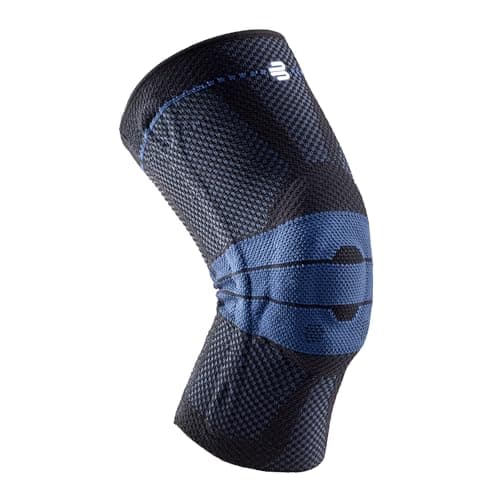
Bauerfeind GenuTrain Knee Brace
$99.69 · View on AmazonPrice as of October 20, 2026. #ad How we’re funded
Best Wrist Supports for Pickleball
Wrist braces and wraps from light compression to firm stabilizers — for strains, carpal tunnel and an achy paddle wrist.
Our top pick
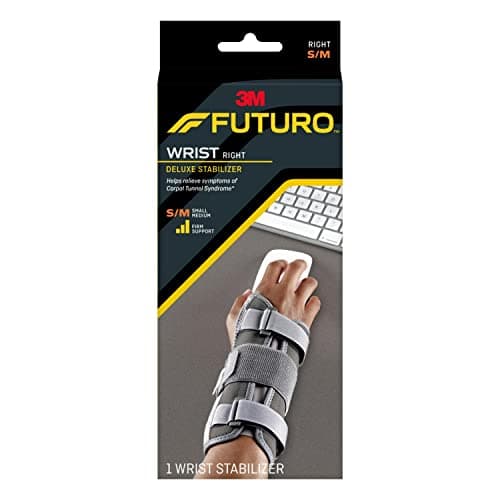
FUTURO Deluxe Wrist Stabilizer
$22.25 · View on AmazonPrice as of October 20, 2026. #ad How we’re funded
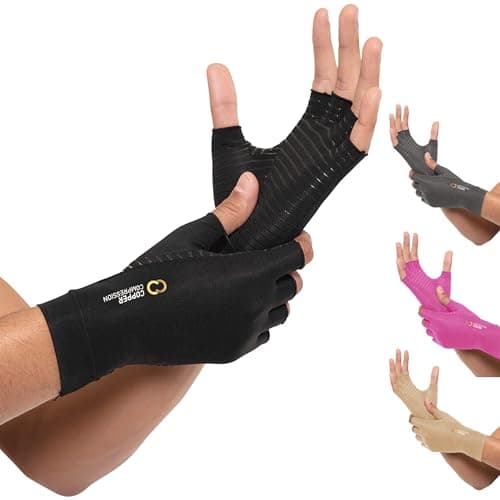
Best Arthritis Gloves for Pickleball
Fingerless compression gloves that warm and support arthritic hands while leaving your fingertips free to grip the paddle.
Our top pick
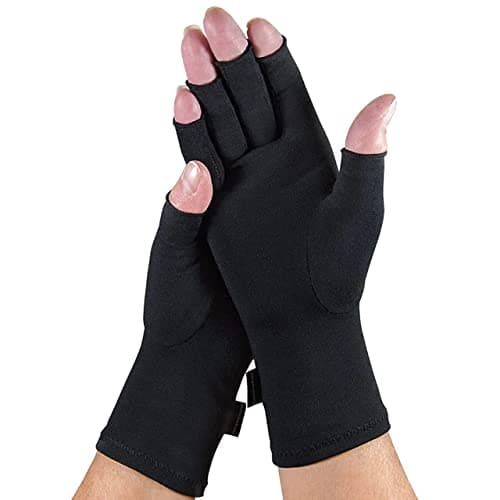
IMAK Compression Arthritis Gloves
$18.99 · View on AmazonPrice as of October 20, 2026. #ad How we’re funded
Bauerfeind GenuTrain Knee Brace Review
The medical-grade knee brace for a knee that needs real support, not just warmth — reviewed for who it's worth the money for.
Our top pick
Bauerfeind GenuTrain Knee Brace
$99.69 · View on AmazonPrice as of October 20, 2026. #ad How we’re funded
FUTURO Deluxe Wrist Stabilizer Review
The splinted wrist stabilizer for a wrist that needs holding still — reviewed, with when it's more brace than you need.
Our top pick
FUTURO Deluxe Wrist Stabilizer
$22.25 · View on AmazonPrice as of October 20, 2026. #ad How we’re funded
IMAK Compression Arthritis Gloves Review
The best-known arthritis glove, reviewed — fingerless for grip, with gentle compression that warms stiff hands.
Our top pick
IMAK Compression Arthritis Gloves
$18.99 · View on AmazonPrice as of October 20, 2026. #ad How we’re funded
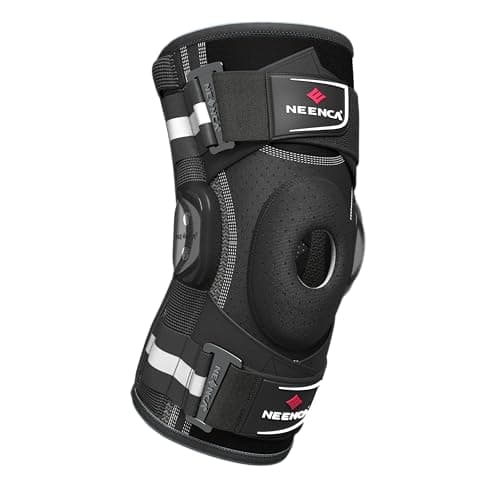
Bauerfeind GenuTrain vs NEENCA Knee Brace
Premium medical-grade support versus a value hinged stabilizer — which knee brace is actually worth it for you.
Our top pick
Bauerfeind GenuTrain Knee Brace
$99.69 · View on AmazonPrice as of October 20, 2026. #ad How we’re funded
Knee Sleeve vs Knee Brace: Which Do You Need?
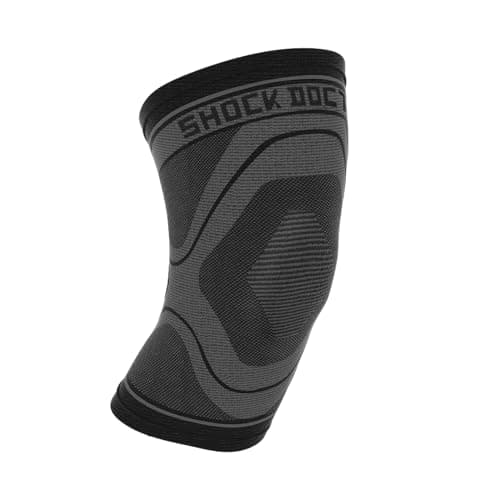
A compression sleeve and a stabilizing brace do different jobs — match the support to the kind of knee pain you have.
Our top pick
Shock Doctor Knee Compression Sleeve
$20.99 · View on AmazonPrice as of October 20, 2026. #ad How we’re funded
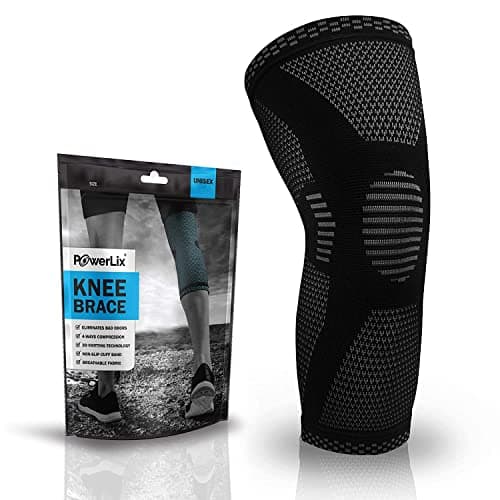
Best Knee Compression Sleeves for Pickleball
For an achy but stable knee, a simple compression sleeve is often all you need — warmth, mild support and a few dollars. The best sleeves, and when to step up.
Our top pick
POWERLIX Knee Compression Sleeve
NEENCA Hinged Knee Brace Review
The middle path between a soft sleeve and a rigid medical brace — a gel pad and side stabilizers for real lateral support, at a fraction of the premium price.
Our top pick
NEENCA Hinged Knee Brace
$59.89 · View on AmazonPrice as of October 20, 2026. #ad How we’re funded
Copper Compression Arthritis Gloves Review
A firmer fingerless glove that doubles as a light wrist wrap — more hand-and-wrist support than a thin liner. Reviewed, including the honest truth about copper claims.
Our top pick
Copper Compression Arthritis Gloves
$25.95 · View on AmazonPrice as of October 20, 2026. #ad How we’re funded
FUTURO Wrist Stabilizer vs Mueller Adjustable Wrist Support
Two wrist supports compared — the firm, splinted FUTURO stabilizer against the flexible, one-size Mueller wrap. How much support does your wrist actually need?
Our top pick
FUTURO Deluxe Wrist Stabilizer
$22.25 · View on AmazonPrice as of October 20, 2026. #ad How we’re funded
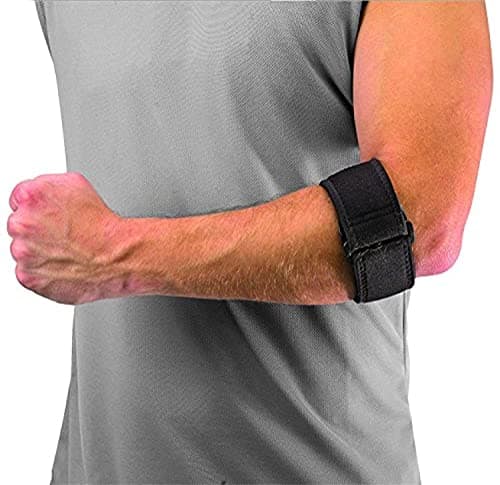
Best Tennis Elbow Braces for Pickleball
Counterforce straps and compression supports that take the pull off an inflamed forearm tendon — matched to whether your elbow flares up during play or aches all week.
Our top pick
Mueller Tennis Elbow Brace with Gel Pad
Best Ankle Braces for Pickleball
About nine in ten ankle sprains are the same inward roll. Four braces whose makers publish what they do — matched to whether your ankle aches, swells, or genuinely gives way.
Our top pick
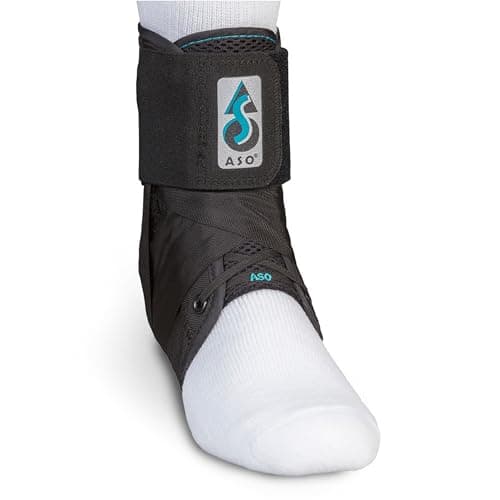
Med Spec ASO Ankle Stabilizer
POWERLIX Knee Compression Sleeve Review
The cheapest honest way to find out whether compression helps your knees at all — a plain, breathable sleeve with no structure, reviewed without the hype.
Our top pick
POWERLIX Knee Compression Sleeve
Tennis Elbow Strap vs Sleeve: Which Should You Wear?
A counterforce strap and a compression sleeve do two different jobs, and most people buy the wrong one first — which to wear on court, which to wear the rest of the day.
Our top pick
Mueller Tennis Elbow Brace with Gel Pad
ASO vs Zamst A2-DX: Which Ankle Brace?
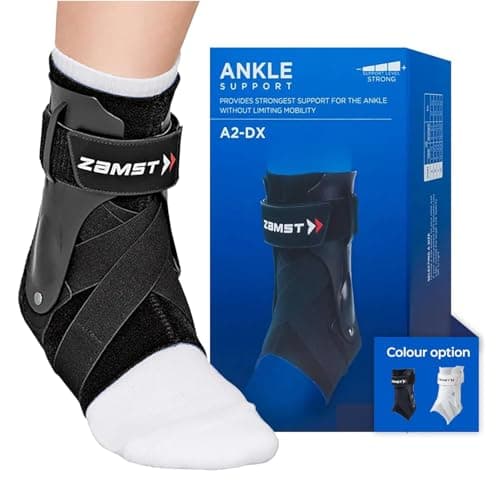
A lace-up stabilizer against a guarded rear-entry brace. One fits either foot and costs a third as much; the other is rated for chronic instability. Which belongs on a pickleball court.
Our top pick
Med Spec ASO Ankle Stabilizer
Best Braces for Golfer's Elbow from Pickleball
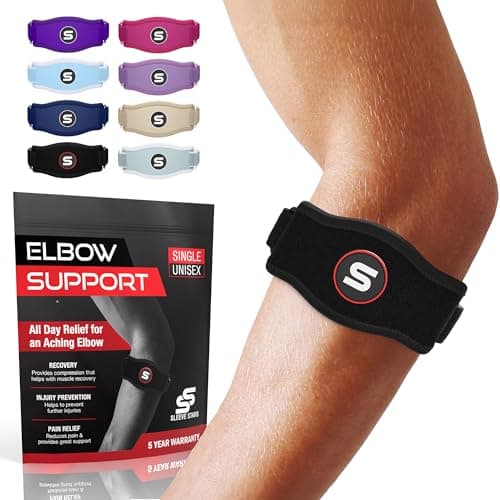
Golfer's elbow is the inside of the elbow, not the outside - so the strap goes on the other side of your forearm. Four supports that can be worn either way round, ranked.
Our top pick
Sleeve Stars Tennis Elbow Brace
$16.95 · View on AmazonPrice as of October 20, 2026. #ad How we’re funded
Zamst A2-DX Review
The strongest ankle brace we list, and the easiest to order wrong - left-and-right specific in four sizes. Who it is genuinely for, and who should buy the ASO instead.
How much support do you actually need?
Supports fall on a spectrum, and matching it to your situation matters more than price:
- Compression (light).A snug sleeve or wrap that provides warmth and gentle support. It increases blood flow and can dull an arthritic ache, and it’s the sensible first thing to try. It does not stabilize a joint that feels like it might give way.
- Structured (moderate).A brace with a stay, a patella pad or side supports. This adds real stability for a joint that’s unstable during cuts and pivots, while still letting you move.
- Firm (rigid).A splinted stabilizer or medical-grade brace that limits motion. This is for a genuine strain or a flare that needs the joint held still — more than most players need for everyday play, and often better for rest and recovery than for the court itself.
How this hub divides up
- Knee bracesrun from simple compression sleeves to hinged, stabilizing braces — matched to whether your knee needs warmth or real side-to-side support.
- Wrist supportsrange from a light compression wrap you’ll barely notice on the paddle to a firm splinted stabilizer for a strain or carpal tunnel.
- Arthritis gloves are fingerless compression gloves that warm and support arthritic hands while leaving your fingertips free to grip the paddle.
- Ankle braces run from a cheap neoprene wrap for a stiff, arthritic ankle up to a lace-up stabilizer that resists the inward roll behind about nine in ten sprains.
The mistake buyers make
The most common error is buying the most supportive brace you can find, on the theory that more is safer. It usually isn’t. A rigid brace that locks your wrist or knee can force the rest of your body to compensate in ways that create new aches, and it can restrict the very motion pickleball needs. Start with the least support that helps — often just compression — and only step up if it isn’t enough. And remember a brace is a tool for playing comfortably today, not a substitute for the strengthening work that actually helps a joint over time.
One more note: none of this is medical advice. If a joint is genuinely painful, swelling, or giving way, see a doctor or physical therapist before you tape over it and keep playing.
Frequently asked questions
Should I wear a knee brace to play pickleball?
If your knee feels achy or a little unstable, a compression sleeve for warmth or a light stabilizing brace can help you play more comfortably. If your knee is genuinely painful, swelling, or giving way, see a doctor first — a brace masks the symptom, it doesn't treat the cause. Start with the least support that helps.
Do arthritis gloves really work for pickleball?
Many players find that gentle compression gloves warm the small joints of the hand and take the edge off arthritic stiffness during play, and the fingerless design keeps your grip and feel on the paddle. They're inexpensive to try. They won't cure arthritis — think of them as comfort, not treatment.
What's the difference between a compression sleeve and a brace?
A compression sleeve provides warmth and gentle support and is best for mild aches. A brace adds structure — a stay, a patella pad, or side supports — for a joint that needs real stability. Buy the sleeve first if you're unsure; step up to a brace only if the sleeve isn't enough.
Sources
- Non-fatal senior pickleball and tennis injuries in US EDs, 2010–2019 — Injury Epidemiology (2021) — For players 60+: strains/sprains 31.0%, fractures 30.4%; the wrist is the single most-injured body part (13.2%); women 3.7x more likely to fracture (accessed July 22, 2026)
- A Review of Physiotherapy Techniques Used in the Treatment of Tennis Elbow — PMC (2023) — Lateral epicondylitis is an overuse tendinopathy of the forearm extensors; conservative care — rest, bracing/counterforce straps and graduated loading — is the mainstay (accessed July 22, 2026)
- Arthritis Foundation — Benefits of Exercise for Osteoarthritis — Arthritis Foundation: exercise is the most effective non-drug treatment for OA pain; low-impact activities like walking and cycling are recommended (accessed July 22, 2026)